| Reader situation | What to look at | Planning use |
|---|---|---|
| Mild loss, mostly quiet settings | In-the-ear style with basic technology | Gives a discreet fit when listening demands are modest. |
| Severe or profound loss | Behind-the-ear model with greater amplification | Put power ahead of size and appearance. |
| Limited dexterity | Slightly larger device, automatic features, rechargeable batteries | Easier to handle and maintain than the smallest styles. |
| Crowded restaurants, concerts, sporting events | Premium technology level | Worth considering where listening conditions are demanding. |
| Active routine with moisture or sweat | Model built to handle moisture and sweat | Check this before choosing on looks alone. |
These pairings summarise audiology guidance on selecting hearing aids and on matching technology to your listening life.
How to choose a hearing aid comes down to a hearing test first, then matching your level of loss, dexterity, lifestyle and budget to a style and power option.
For wider context on equipment that supports daily life, see our guide to assistive technology devices. The sections below follow the order of the decision: the hearing test, level of loss, dexterity, batteries, listening environment, features and budget.
Before you buy: the hearing test
A hearing test is the first step towards finding a hearing aid, according to hearing care guidance. Choosing a style before you know your result risks paying for the wrong thing.
What the assessment involves
An audiologist evaluates your hearing through a series of tests and also considers your daily activities, as this audiology practice explains. A comprehensive assessment includes a medical history and a discussion of your hearing needs and lifestyle. Some practices describe starting with a comprehensive hearing evaluation before any fitting takes place.
Treat the lifestyle conversation as part of the test. Mention the places where you struggle most, such as work meetings, restaurants or phone calls, because those details steer the technology level and features later on.
What the audiogram decides
The audiogram is the chart that comes out of testing. It reveals whether your hearing loss is mild, moderate, severe or profound. That grade is the single biggest filter on style, so keep a copy and use it when comparing options.
Mild to moderate hearing loss
Smaller styles become realistic when the loss is mild to moderate. The trade-off is that the smallest devices demand more of your fingers, which is covered under dexterity below.
In-the-ear styles
If your loss is mild, you may need a device that sits in the ear. The in-the-ear family has several sizes, and guidance on hearing aid style selection separates them as follows:

- In-the-ear (ITE): the larger custom style, with more room to handle than the canal options.
- In-the-canal (ITC): smaller than ITE and sitting deeper within the ear canal, best suited to mild to moderate loss.
- Completely-in-canal (CIC): the smallest and most discreet option, fitting entirely in the canal and suited to mild to moderate loss.
Choose a canal style when being unnoticed matters most and your fingers are steady. If appearance matters less than ease, the larger ITE is the more forgiving choice.
Receiver-in-canal
Receiver-in-canal (RIC) devices strike an effective balance between power and discretion. They suit someone who wants less visibility than a full behind-the-ear unit but does not want to commit to the smallest canal styles. Ask your audiologist whether your audiogram fits this compromise.
Severe or profound hearing loss
Greater loss shifts the priority from size to amplification. This is where the behind-the-ear versus in-the-ear question has a clear answer.
Behind-the-ear models
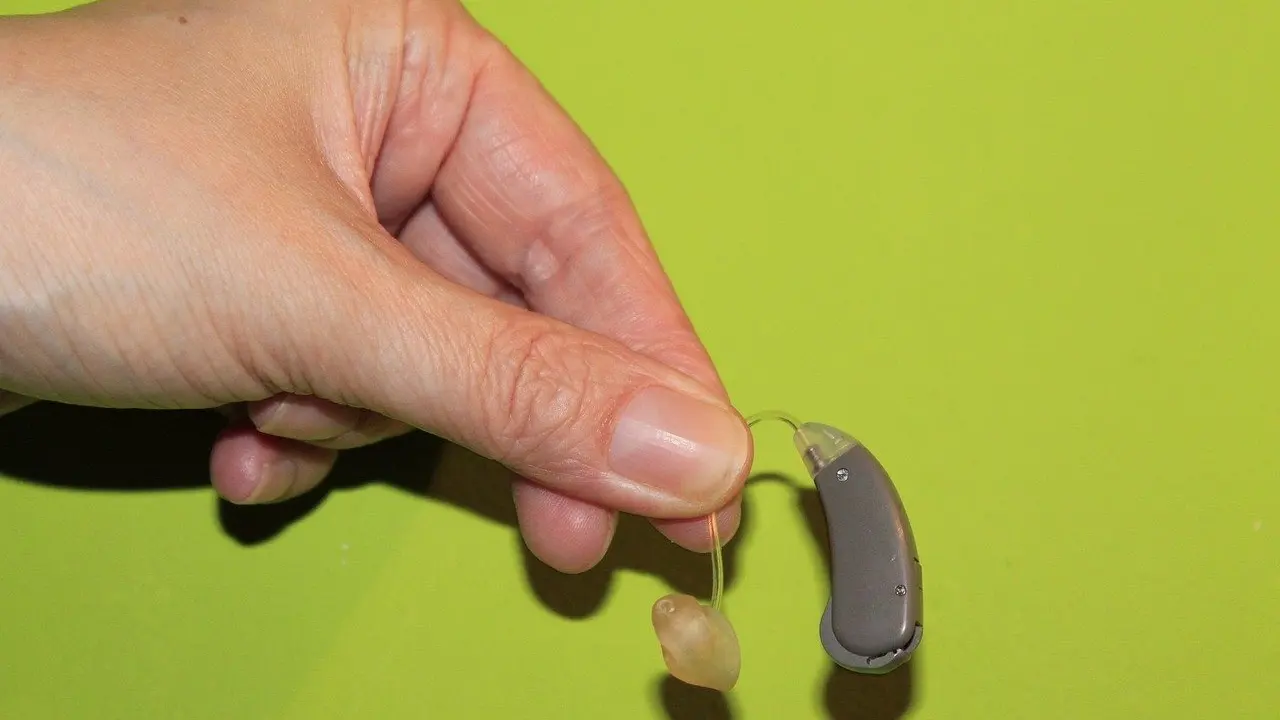
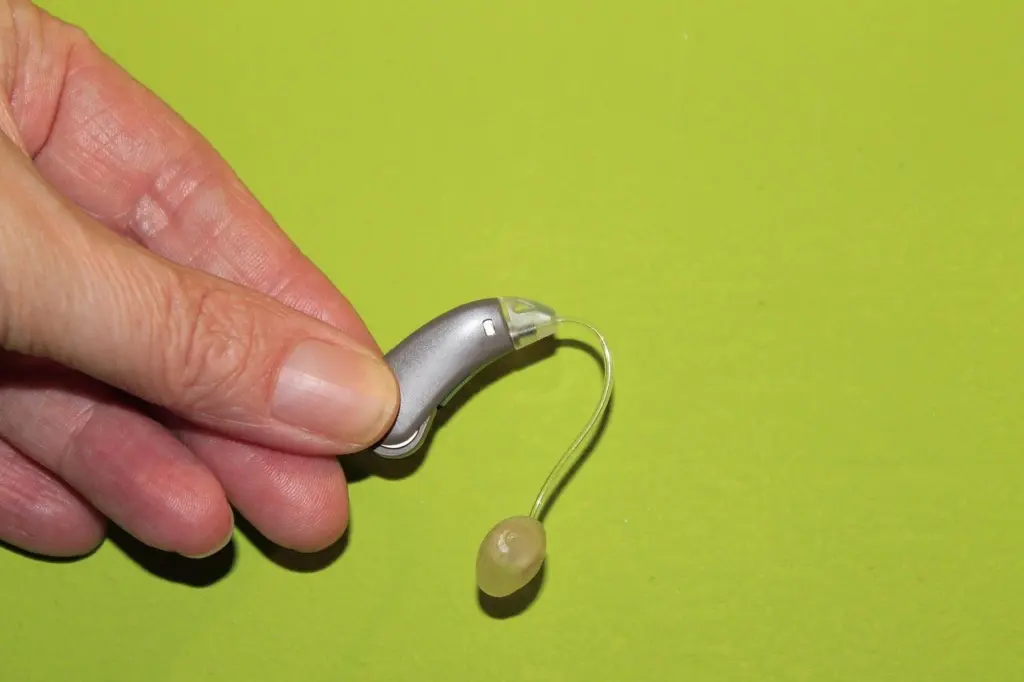
Severe or profound hearing loss may require a model behind the ear with greater amplification. Behind-the-ear (BTE) models are also versatile, accommodating a wide range of hearing loss severities from mild to profound.
That is the practical difference between the two families. In-the-ear styles cluster around mild to moderate loss, while a BTE can cover everything from mild to profound. If your loss is likely to progress, a BTE leaves more room to adjust without changing style.
Limited dexterity
Dexterity is the most overlooked part of how to choose a hearing aid. A device you cannot place, clean or recharge comfortably will end up in a drawer.
Handling and controls
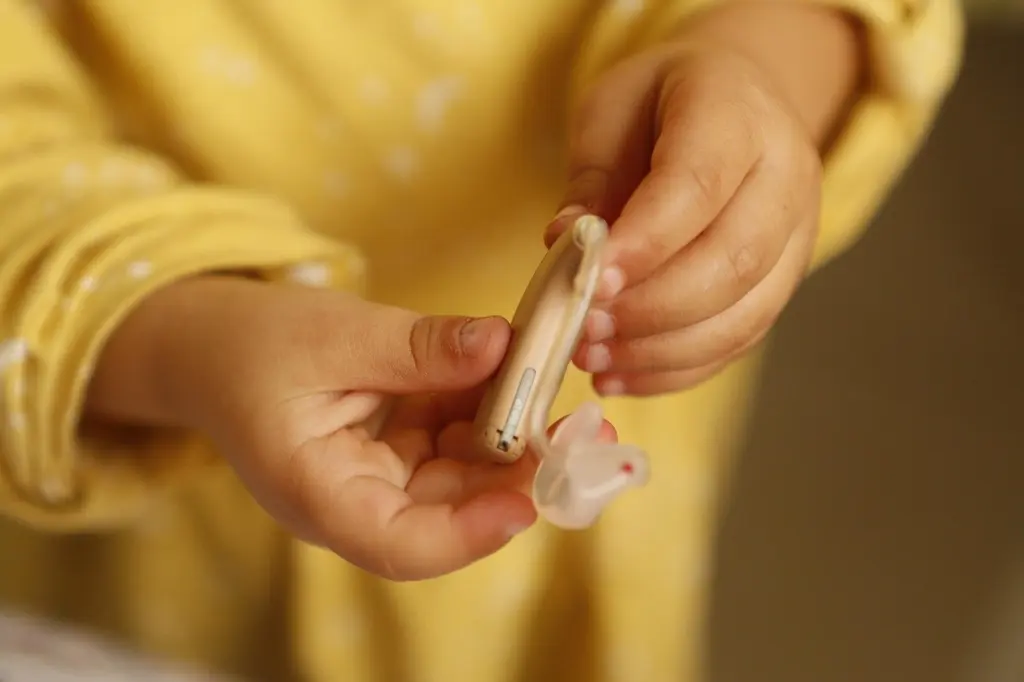
Hearing aids in smaller styles, particularly CIC devices, can be more challenging to handle. If you have limited dexterity, a slightly larger device or one with automatic features and rechargeable batteries might be easier to manage.
In practice, rule out the smallest canal styles first, then compare larger ITE and BTE units. Automatic features reduce the number of small controls you need to touch, and rechargeable models remove the fiddly step of swapping tiny batteries.
Battery routine: rechargeable or disposable
Rechargeable models suit most people who want to stop buying and changing batteries. Disposable cells still make sense in a few situations.
Rechargeable models
Rechargeable hearing aids offer convenience by eliminating frequent battery replacements, with some offering up to 30-50 hours of operation on a single charge. Treat that as a best case, not a promise, and check the stated figure for any model you are considering. The lithium-ion cells can last for several years before needing replacement.
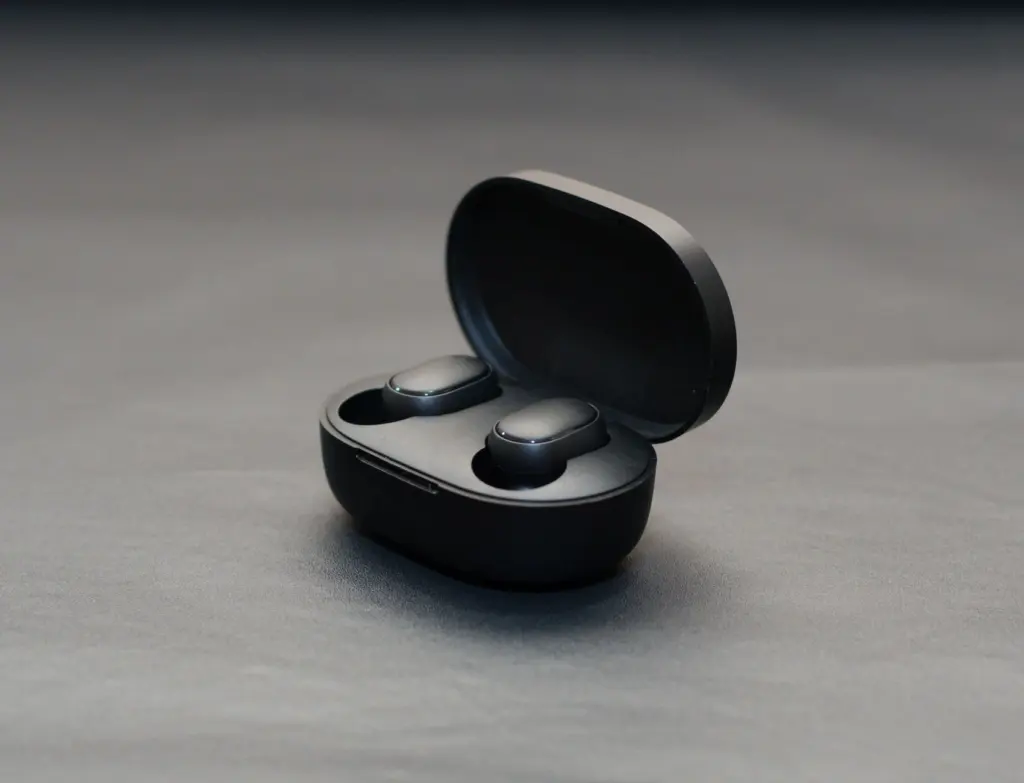
Worth it? For limited dexterity, a daily dock routine is usually easier than handling tiny cells, which is why rechargeable batteries appear in guidance for that group. The limit is that you must remember to charge, and a long day away from a charger needs planning.
Disposable batteries
Disposable zinc-air batteries typically have a short lifespan, ranging from 3 to 10 days. Some users prefer the option to switch batteries quickly, which helps during travel or when charging is limited.
- Choose rechargeable if you want a predictable nightly routine and fewer small parts to handle.
- Choose disposable if you are often away from a power source and would rather carry spares.
Noisy, active and phone-heavy routines
Your daily environment decides how much technology you need and which extras earn their place.
Technology level and listening environment
Basic technology with simple noise reduction is ideal if you spend most of your time in quiet settings. Premium technology is designed for demanding environments like crowded restaurants, concerts and sporting events. If your week includes busy meetings or social events, put your budget towards the higher technology level rather than extra styling.
Moisture and sweat
For an active lifestyle, a model designed to handle moisture and sweat may be a better fit. Ask about this specifically, because it can matter more than size for runners, gardeners or anyone who works up a sweat.
Connectivity features
Many models offer Bluetooth connectivity, allowing you to stream audio directly from your phone. Telecoil technology can be particularly beneficial for phone users and for places with loop systems. Decide which of these you will use weekly, and skip the ones you will not.
Budget and financing
Budget is the last filter, not the first, because your audiogram and daily needs set the minimum you can sensibly buy. Insurance plans and financing options can make hearing aids more affordable, so ask any provider what is available before you rule out a better-suited model.
If you are weighing a lower-cost route against a clinic fitting, our comparison of over the counter hearing aids vs prescription sets out the differences. Match the technology level to your listening environment so you do not pay for features you will not use.
Frequently asked questions
| Question | Answer |
|---|---|
| How long does it take to get used to hearing aids? | It can take up to 6 weeks for your brain to fully adapt to using hearing aids, so judge a new pair over weeks rather than the first afternoon. |
| Is there a trial period? | Some providers offer one. For example, Amplifon’s hearing aids come with a 60-day trial period. Ask any provider about their terms before you buy. |
| Can I control hearing aids from my phone? | Often, yes. Many contemporary hearing aids can be fine-tuned and controlled through smartphone applications, so confirm app support for your phone before choosing a model. |