| Reader situation | Likely starting route | Planning use |
|---|---|---|
| Adult with perceived mild-to-moderate loss who is happy to set things up alone | Over-the-counter hearing aid | Intended for ages 18+, and no hearing evaluation is required before buying. |
| Severe or profound loss | Prescription hearing aid after a professional evaluation | OTC devices are not intended for this range, while prescription options span mild to profound loss depending on device and evaluation. |
| Unsure how much loss there is or what is behind it | Professional assessment first | OTC setup includes no diagnostic evaluation, whereas prescription care begins with an assessment of each ear. |
| Wants a custom-fit style or long-term support | Prescription hearing aid | OTC models come in behind-the-ear and in-ear designs but not custom-fit styles. |
| Buyer under 18 | Prescription hearing aid | Prescription aids are available for all ages. |
| Comparing prices | Either, once the full cost is clear | Prescription aids may cost more upfront, but service is part of the total, and service fees may be extra with OTC. |
Eligibility ranges and device differences in the table come from Hear Indiana’s comparison and The House of Hearing’s guide for patients.
Over the counter hearing aids vs prescription comes down to who sets the device up. OTC models suit adults aged 18+ with perceived mild-to-moderate loss, while prescription aids involve an evaluation and cover any degree of loss.
The wider assistive technology devices section puts hearing aids alongside other tools. For model-level comparisons, read how to choose a hearing aid. Products that work without being worn in the ear are covered in assistive listening devices for hearing loss.
Adults with mild-to-moderate hearing loss
An over-the-counter hearing aid is built for adults who judge their own hearing loss to be mild to moderate. According to Hear Indiana, the intended buyer is aged 18+ with perceived mild-to-moderate loss, and no hearing evaluation is required. The word “perceived” matters: the buyer, not a clinician, decides the category. That makes OTC a reasonable first step for someone whose difficulty is noticeable but not severe, and a poor fit for anyone who is guessing.

Comfortable with self-guided setup
OTC purchases do not need a professional fitting, and most devices ship with self-guided instructions. The same source notes that no professional fitting or support is required to be provided. The route therefore suits people who are happy to read instructions, adjust settings themselves and troubleshoot without a clinic. Before buying, check what help the seller itself offers, because the rules do not oblige anyone to provide it.

Self-fitting with a companion app
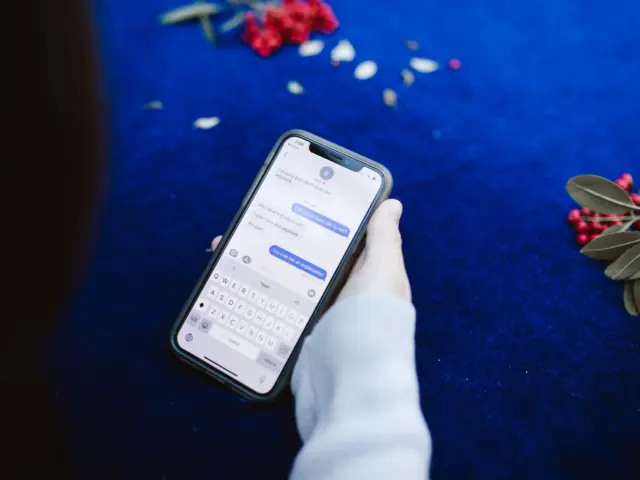
Self-fitting is the feature that most clearly separates newer OTC models from the clinic route. On some models, a companion app measures the wearer’s responses to sound and then programs the device to the hearing levels it records. The result is a personalised setting without an appointment, which is the main attraction for people who dislike clinics or want to start quickly.
The limit is what the app does not do. It adjusts the device to your responses but does not establish why you have lost hearing, so it works best when the loss is already understood to be mild or moderate.

Severe loss or an unclear diagnosis
Anyone whose loss is severe, or whose cause is unknown, should treat the clinic route as the default. The case for professional involvement rests on two points: the range each device type is meant for, and whether anyone examines the ear.
Severe or profound loss
OTC devices are not intended for severe or profound hearing challenges, as The House of Hearing puts it. Prescription hearing aids are available for people of all ages and any degree of loss, according to Hear Indiana. Even then, the range of options for mild to profound loss depends on the specific device and on the evaluation. Starting with an OTC product when loss is severe risks spending money on something outside its intended range.
Not sure what is going on
An OTC purchase includes no diagnostic evaluation, and a device’s setup process cannot examine the ear canal. A prescription pathway starts differently. A licensed hearing care professional, such as an audiologist, assesses each ear and determines the type and degree of hearing loss before any device is chosen.
For that reason, see a professional first when you cannot say whether your loss is mild or moderate, or when you want the type of loss identified rather than assumed. Someone who is confident about the degree of their loss and simply wants a lower-friction device has less reason to wait.
Fit, features and ongoing support
The clearest practical gap between the two routes is what happens after the device is chosen. Prescription aids are tailored and supported, whereas OTC aids are standard products you adjust yourself.
Programming and style
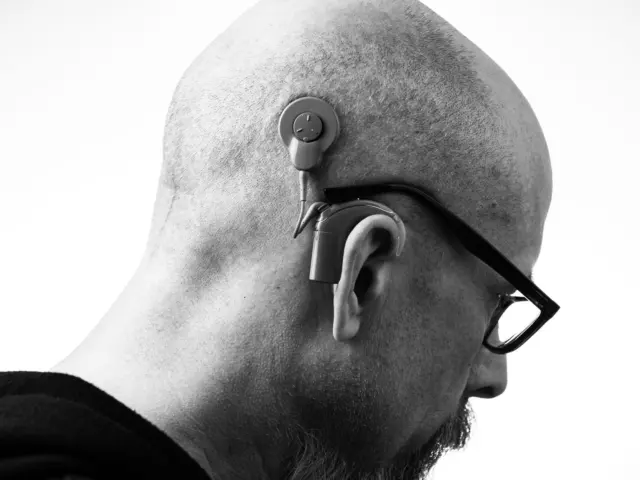
A hearing care professional programs a prescription aid to the wearer’s exact hearing loss. OTC aids offer behind-the-ear and in-ear options but no custom-fit styles. If ear shape or comfort is a concern, or the loss needs precise programming, the prescription route gives more control. If a standard style is acceptable, the lack of a custom option is less of a drawback.
Features
Prescription hearing aids may include dual-AI processing, directional microphones and background noise reduction, depending on the model. Feature lists differ from product to product, so compare the specification of each device rather than assuming a category-wide pattern. People who spend time in noisy settings should check specifically for directional microphones and noise reduction on any model they consider.
Lifetime support and returns
Prescription hearing aids are fit, programmed and supported by a licensed hearing care professional for the lifetime of the device. That continuing relationship is hard to replicate with a boxed product.
Returns also differ. Hear Indiana reports that state rules require a prescription hearing aid return policy of at least 30 days, while no state return-policy requirements exist for OTC devices. Get an OTC seller’s return terms in writing before paying. The state-rule point reflects US requirements, so buyers elsewhere should confirm what applies locally.
Price-led decisions
Upfront price against total cost
Prescription hearing aids may cost more upfront, but The House of Hearing advises looking beyond the initial price, since service forms part of the total and service fees may be extra with OTC. A lower sticker price does not settle the comparison. Ask each seller what the price includes, such as assessment, programming, follow-up visits and returns, and compare on that basis.
Choosing between the routes
- Choose OTC if you are an adult with perceived mild-to-moderate loss, are comfortable with self-guided or app-based setup and accept that no fitting or support is guaranteed.
- Choose prescription if your loss may be severe, you want a custom-fit style, or you value support for the lifetime of the device.
- See a professional first if you are unsure of the degree or cause of your loss, since only that route includes an assessment of each ear.
Frequently asked questions
| Question | Answer |
|---|---|
| Where can OTC hearing aids be bought? | Hear Indiana lists pharmacies, various retail stores and certain hearing care clinics as sources. |
| Does insurance cover prescription hearing aids? | Coverage varies by plan and eligibility, so ask the provider for a clear breakdown of what is covered. |
| Does a companion app make an audiologist unnecessary? | Not when you need to know what is behind the loss. An app measures responses and programs the device, but it is not a diagnostic evaluation of the ear. |