
Browse
Assistive Technology
-
Assistive Technology for Cognitive Disabilities
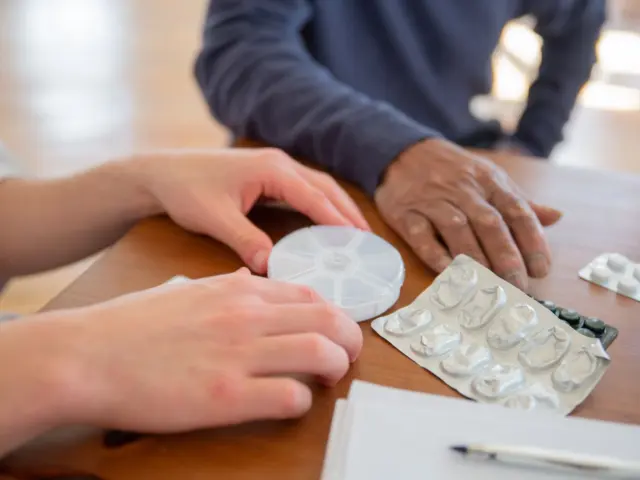
Assistive technology for memory loss works best when each tool is matched to one daily problem: missed medication, losing track…
-

Over-the-Counter Hearing Aids vs Prescription: Key Differences
Reader situation Likely starting route Planning use Adult with perceived mild-to-moderate loss who is happy to set things up alone…
-
Assistive Listening Devices
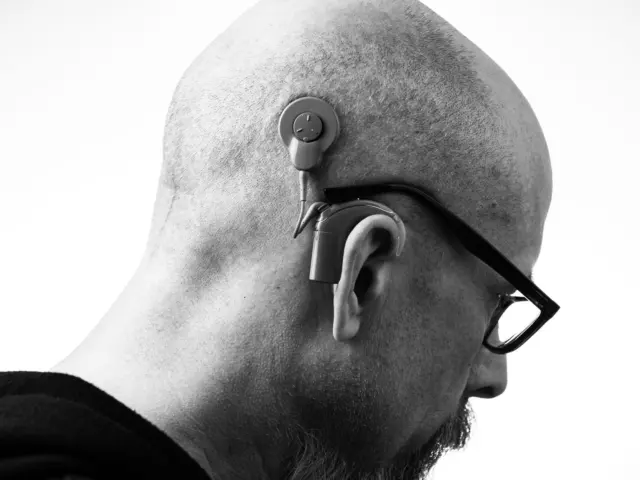
Hearing aids alone may not be enough at the television, on the phone or in a hall. The right assistive…
-
Speech-to-Text and Captioning Tools
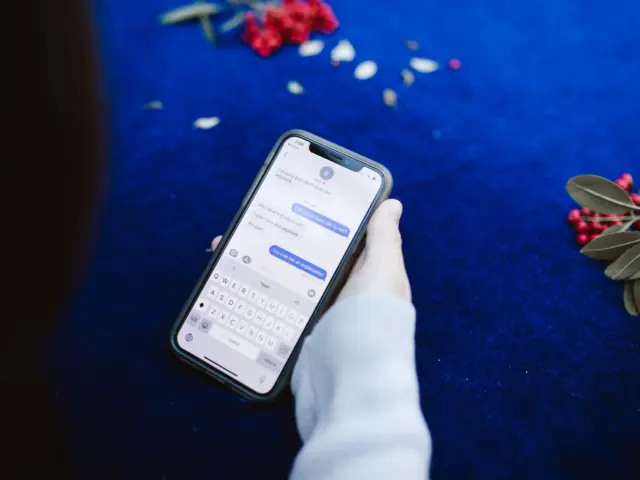
The best speech to text app for deaf users depends on the setting: Live Transcribe suits Android face-to-face talk, NALScribe…
-

Screen Readers Compared
Choosing the best screen reader for blind users starts with the device: NVDA is the free Windows option, JAWS suits…
-
Screen Magnifiers for Low Vision
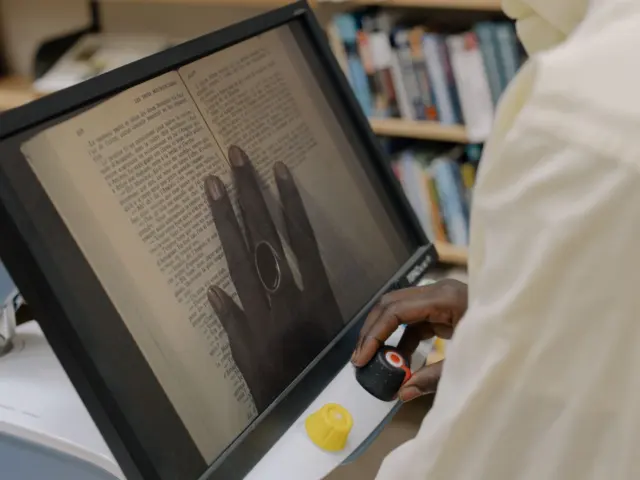
Magnifier type Best task Portability Planning use Desktop video magnifier Extended reading and writing at a fixed spot Stays on…
-

Braille Displays and Note Takers
The best refreshable braille display depends on use: a larger display suits laptop work, a compact one suits phone and…
-

Assistive Technology for Low Vision Devices
Situation Device What it does Planning use Reading mail and books Handheld or desktop magnifier Lights and magnifies print. Strengths…
-
Smartphones for Seniors and Low Vision
Reader situation Phone to consider What to check Planning use Wants the simplest layout Samsung Galaxy A15 or A25 with…
-

Assistive Technology for Dyslexia: Full List
Assistive technology for dyslexia works best when matched to the task it relieves: text-to-speech for reading, speech-to-text for writing, digital…