A panel sits under grey cloud, yet the meter still ticks over. How do solar panels work in that case? Sunlight frees electrons in silicon cells, an inverter turns the resulting direct current into household AC, and the meter records what passes.
This guide follows the electrons through one rooftop system, from cell to meter. For the wider picture of home solar panels and battery storage, start with the hub. The sections below correct the assumptions that most often get in the way of understanding the device.
Inside the silicon cell
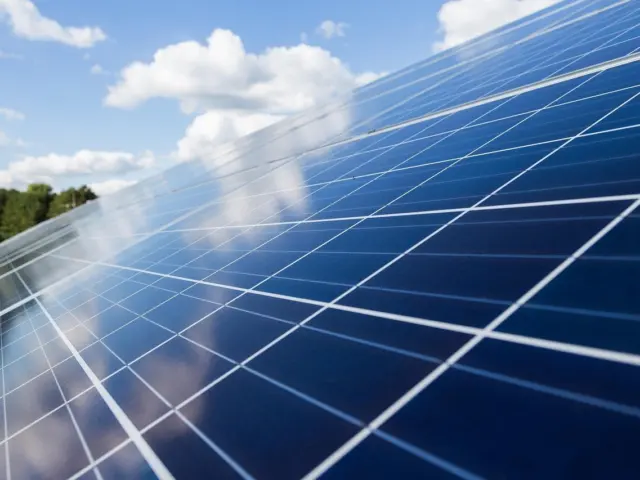
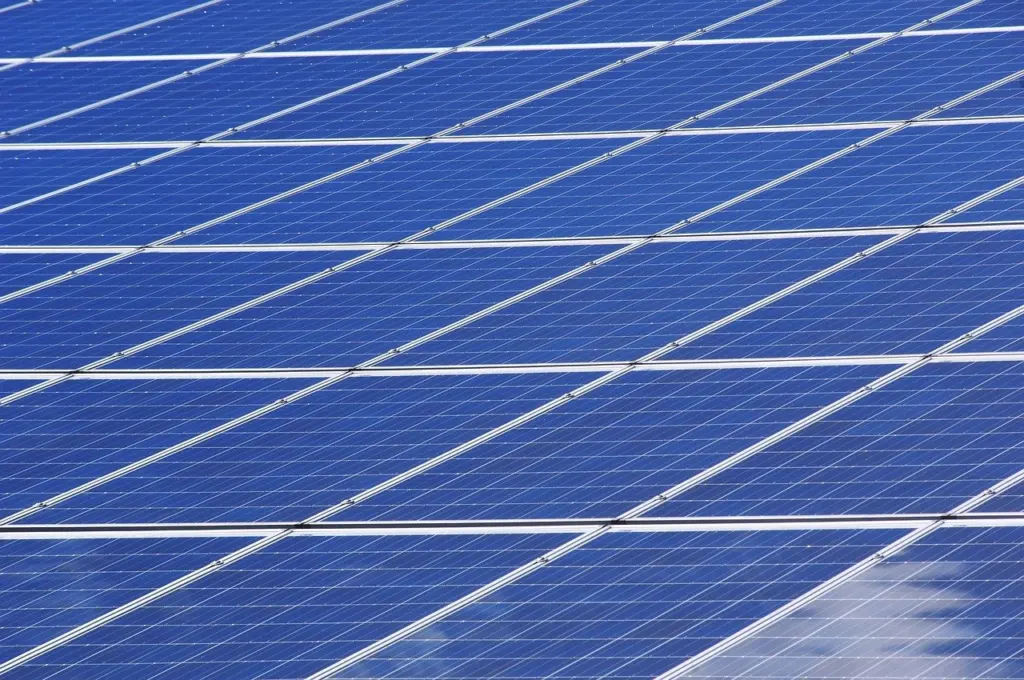
A solar panel carries photovoltaic (PV) cells, and installer guidance on how panels work describes these cells as turning light into DC electricity. The mechanism is the photovoltaic effect. When sunlight hits a solar cell, it knocks electrons loose from their atoms and creates a flow of electricity. Another explainer says the panel absorbs photons and so initiates an electric current, and it names that whole process the photovoltaic effect.
Photons meeting the panel
Light arrives as photons, and not every photon does useful work. According to a solar energy explainer, photons either pass through the panel, bounce off it or are absorbed into it. Only the absorbed light can free electrons, which is why the cell’s job is to capture as much light as it can rather than simply sit in the sun.
The p-n junction
A silicon solar cell is built from two wafer-thin sheets of silicon. One is positively charged and the other negatively charged, which is the same pairing the installer guidance describes as two different types of silicon within the cell. The boundary where the oppositely charged layers meet is the p-n junction, the part of the cell that makes the freed electrons useful.
Once an electron is free of the silicon’s grasp, it can travel along the semiconductor toward highly conductive metal plates. Collected there, the moving electrons form the electric current that leaves the cell.
Common assumptions against what happens
Three beliefs cause most of the confusion about how a panel behaves once it is on the roof. The table sets each against the supported explanation and what it means for a household.
| Common assumption | What actually happens | Planning use |
|---|---|---|
| Panels only work in bright, direct sun | They are most effective in direct sunlight but still work on cloudy days, at about 10-25% of rated capacity depending on cloud thickness and density. | Expect reduced output under cloud, not zero. |
| Panel output can run the house as it leaves the panel | Panels produce DC, while most homes and grids operate on AC, so an inverter converts it. | Treat the inverter as an essential step, not an optional extra. |
| Electricity the home does not use is wasted | Any electricity you do not use is exported to the grid for others to use. | Low demand at home does not mean the generation is lost. |
The figures and behaviours in the table come from installer guidance on how panels work.
Direct current and the inverter
The current a panel generates flows in a single direction, which is what makes it direct current. A straight-line flow suits the cell, but it does not match the supply in a typical house. Solar panels produce direct current (DC), whereas most homes and electrical grids operate on alternating current (AC).
The explainer from a solar energy provider puts it plainly: to use solar electricity, DC must be converted into AC and sent to your breaker. The solar inverter does that job. The current from the panels flows into the inverter, which converts it to AC electricity ready to use.
- Panel side: the cells deliver DC, one-way current gathered by the metal contacts.
- Inverter: the unit that sits in the path and converts the DC into AC.
- House side: AC that matches what home wiring and the grid already operate on.
The practical point is that the inverter is where the panel stops being a generator of raw DC and becomes a source the home can actually draw on. If a system produces nothing at the house while the panels are in daylight, the conversion stage is a sensible place to look before blaming the cells.
The meter and the consumer unit
After conversion, the electricity is fed through a meter and then into the home’s consumer unit. The meter sits between the inverter and the rest of the house wiring, so every unit generated passes it before anything in the home can use it. In a UK home this is where a smart meter or a dedicated generation meter earns its place in the chain.
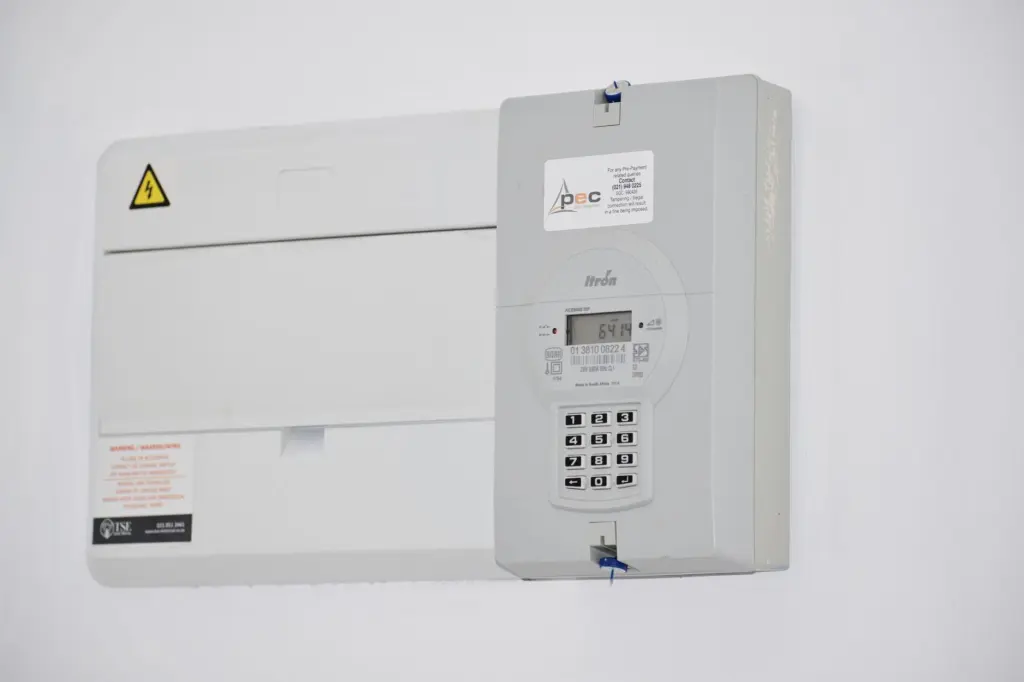
Understanding this order helps when reading any display or bill. Electricity is made at the cell, converted at the inverter, measured at the meter and then distributed by the consumer unit. A reading that looks wrong usually points to one stage, and knowing the sequence tells you which.
Surplus electricity and the grid
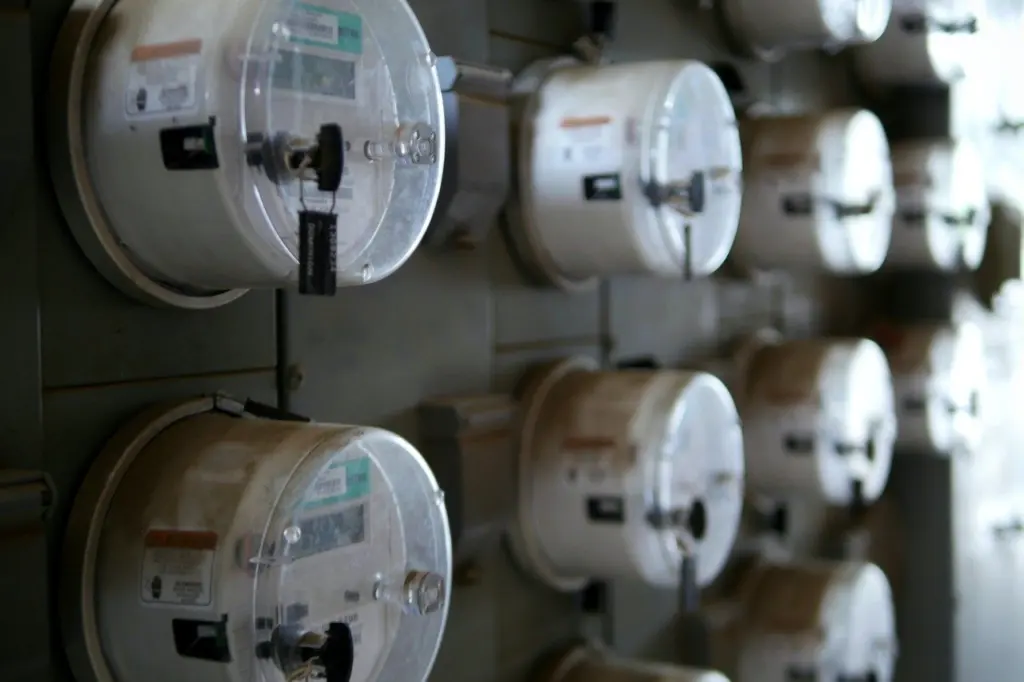
When the home uses less than the panels generate, the extra does not vanish. It is exported to the grid for others to use. The same explainer notes that net metering programmes allow owners of solar generators to be paid when system output exceeds home use. Whether any payment applies, and on what terms, depends on the scheme the household is on.
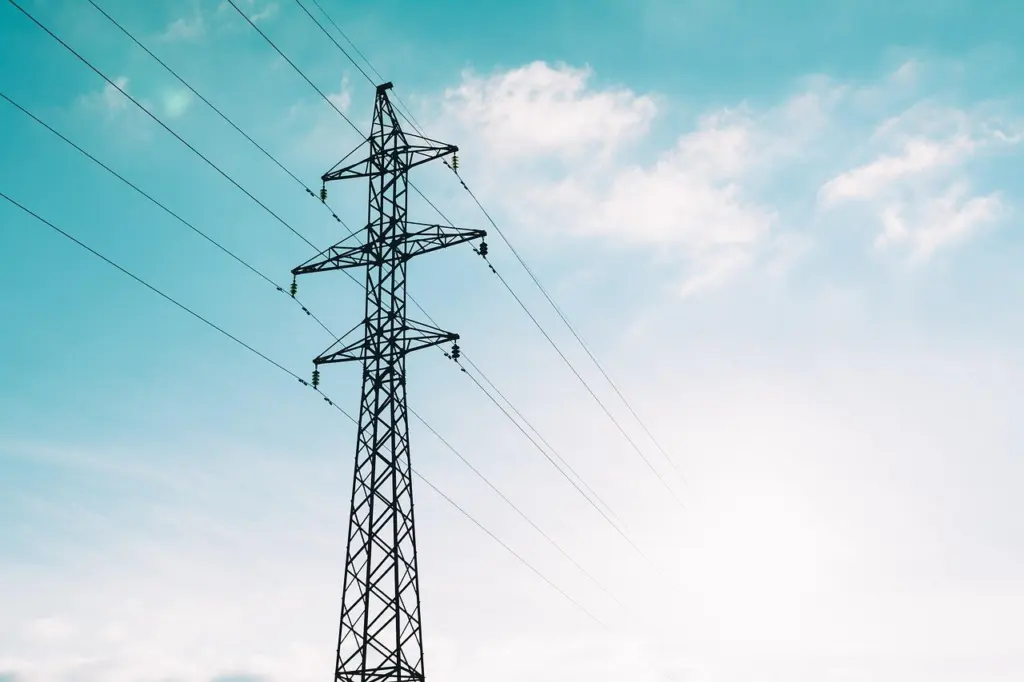
For a household, the lesson is that generation and demand do not have to match minute by minute. Midday output can exceed what the home draws, and the grid takes the difference. If you want to know what the system costs to install, how much do solar panels cost for a house is covered separately.
Cloud, shade and direct sunlight
Panels do not need direct sunlight to generate power, but they perform best with it. The installer guidance says panels are most effective in direct sunlight and still work on cloudy days, producing about 10-25% of rated capacity depending on how thick and dense the cloud is. That fits the photon behaviour described earlier. Some light still reaches the cell and is absorbed, even when much of it is blocked or scattered.
- Bright day: the most light is absorbed, so this is when output is strongest.
- Cloudy day: output falls, and thicker cloud lowers it further within the quoted range.
- Positioning: how a panel faces and tilts decides how much light it catches, which is the subject of the guide to the best angle for solar panels.
A cloudy spell is therefore not a fault. Reduced output under cloud is expected behaviour of the same physics that works in sun.
Frequently asked questions
| Question | Answer |
|---|---|
| What is the photovoltaic effect in simple terms? | Light striking a silicon cell frees electrons from their atoms, and those moving electrons form an electric current. |
| Why can a panel not feed the house directly? | Its output is direct current, while most homes and grids use alternating current, so the inverter has to convert it first. |
| Where does unused electricity go? | It is exported to the grid for others to use, and some schemes pay the owner for it. |
| Does a cloudy sky stop a panel generating? | No. Output drops, but panels still work on cloudy days. |