Thinking about home solar panels and battery storage for a UK house? Start with panels and an inverter, then add a battery only if you want surplus power kept for later rather than exported.
Solar panels turn sunlight into electricity, an inverter makes that electricity usable around the house, and a battery holds what you do not use. The explainer on how do solar panels work goes deeper into the physics. This guide follows the decisions a UK household faces, from the electronics inside the system to costs, export payments and upkeep.
Routes through the topic
Different readers arrive with different questions. Pick the route that matches yours and read the sections in the order given.
- Understanding the equipment. Read “How the electronics fit together”, then “Choosing and placing panels”. This route suits anyone who has a quote in hand but is not sure what each component does or why it is priced as it is.
- Setting a budget. Go to “UK costs and payback”, then “Home battery storage”. This route suits anyone deciding whether panels alone are enough or whether a battery belongs in the first purchase.
- Judging export income. Read “Export payments and the meter” before the battery section if you expect to send a lot of power to the grid. The size of the payment shapes how much a battery is worth to you.
- Thinking small or off-grid. Jump to “Small-scale and portable solar” if you rent, have no suitable roof, or only want to charge devices.
- Planning for ownership. Finish with “Upkeep and lifespan” and “Choosing your starting point” once you know which parts you want.
How the electronics fit together
A home solar system is a short chain of electronics. Light reaches the panels, the inverter conditions their output, the house or the grid takes the power, and an optional battery holds any surplus. Knowing which link does what makes quotes far easier to compare, because every item on an installer’s price list belongs to one of these stages.
Panels: sunlight to direct current
According to Re-Volv’s guide to solar storage, solar panels work by converting sunlight, which arrives at the panel as photons, into direct current electricity. Direct current is not the form that sockets and appliances in a house expect, so the panels are only the first stage of the process. A quote that lists panels without naming the inverter, or describes the inverter without naming the panels, is incomplete and worth querying before you compare it with anything else.
Inverter: direct current to household supply
The inverter converts the panels’ direct current into alternating current for home use, as Re-Volv describes. In practice it is the component that links the roof to the house wiring, which makes it the part of the system where design choices have the widest knock-on effects. Layout, shading tolerance, monitoring and the option of adding storage later all depend on which inverter is specified.
Two comparisons are worth making before you accept a quote. The first is between a central unit and panel-level conversion, which string inverter vs microinverter sets out. The second is whether the inverter can also manage a battery, which what is a hybrid inverter explains. If you think you may add storage later, ask the installer plainly what adding a battery would involve for the inverter you are being offered.
Battery and grid: where the surplus goes
Panels do not store electricity. Re-Volv notes that with a grid-connected system, any excess electricity not used in the home is sent to the grid, since solar panels themselves do not store unused electricity. A battery changes that outcome. Urban Solar describes a solar battery storage system as a renewable energy storage technology that can store extra solar power for later use, which in a household means the midday surplus can serve the evening instead of leaving the property.
The decision is therefore not whether solar works without a battery, because it does. The decision is whether keeping surplus power at home is worth more to you than sending it out and being paid for it. The sections below put costs and export payments side by side so you can judge that for your own pattern of use.
Choosing and placing panels
Panel choice is mostly a trade between efficiency, available space and price. The roof itself, including its direction and angle, often matters as much as the panel fixed to it.
Panel type and efficiency
Monocrystalline panels are typically more efficient than polycrystalline panels by around 15-20%, according to Energy Advice Helpline’s 2025 UK price guide. That gap matters most when roof space is the limit, because a more efficient panel yields more from the same area. Where space is generous, price and warranty terms can reasonably carry more weight in the decision.
The comparison of monocrystalline vs polycrystalline solar panels covers the differences in more detail. For reading datasheets, the guide to solar panel efficiency explains what a rating means. When you compare manufacturer specification sheets, compare like with like, and treat a headline efficiency figure as a description of the panel rather than a promise about what your roof will produce.
Roof, frame and angle
The mounting frame fixes how a panel sits on a roof or on the ground, and it limits what orientation is possible. The guide to solar panel mounting systems covers the options by roof type. How tilt and compass direction change output is the subject of best angle for solar panels. Read both before you accept a layout that simply follows the shape of the roof, because the convenient arrangement is not always the productive one.
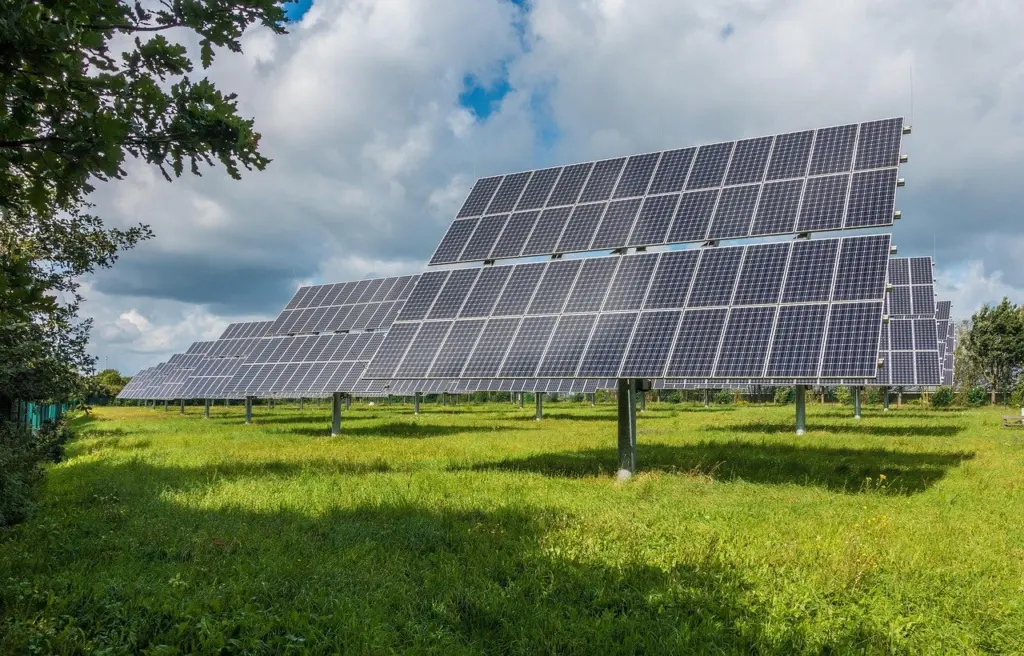
Output also changes with the seasons and the weather. Before judging a system on one bright summer day, read do solar panels work in winter and set your expectations for the darker months accordingly.
Sizing to your use
Size the system to the electricity your household actually uses rather than to the largest area the roof allows. The walkthrough on how many solar panels to power a house shows how to start from consumption. A larger array produces a larger surplus, and what that surplus is worth depends on export payments and on whether you have a battery, both covered below.
UK costs and payback
UK prices depend on system size, whether a battery is included, and the installer. The table compares the three most common purchase shapes using typical 2025 installed prices.
| Option | Typical UK installed price, 2025 | Warranty and payback | Planning use |
|---|---|---|---|
| 4.0 kWp solar system, 10 panels | £6,500 – £8,000 | No battery included | Baseline for a panels-only quote |
| 4.0 kWp solar plus battery, 10 panels | £10,000 – £14,000 | Battery terms depend on the unit fitted | Use to sense-check a combined quote against the panels-only price |
| 5 kWh battery, described as enough for most three-bed homes | £2,500 – £4,000 | 10-year warranty; rough payback 8-12 years | Test whether the battery’s payback range fits how long you expect to stay |
These figures come from Energy Advice Helpline’s 2025 UK cost guide, which gives typical installed prices rather than quotes.
Read the table as ranges, not targets. A price near the bottom of a range is not automatically a bargain if it leaves out items another quote includes, and a price near the top may reflect a larger or better-specified unit. The guide gives a rough payback for the battery but no single payback for the whole system, so avoid any quote that promises one without showing the assumptions behind it. The detailed breakdown of how much do solar panels cost for a house goes through what typically sits inside a quoted price.
The answer to the cost question for a UK household is therefore a spread: panels alone sit in one band, panels with a battery in a clearly higher one, and a battery added on its own in a third. Which band is right depends on how much of your generation you can use directly during the day, which is why sizing and battery decisions belong together rather than being settled one after the other.
Home battery storage
A home battery stores solar surplus so the house can use it later. The useful questions are how much it holds, how long it is covered by warranty, and what it can realistically power.
Reading capacity in kilowatt-hours
Battery capacity is measured in kilowatt-hours, which Palmetto’s homeowner guide defines as the energy a 1,000-watt appliance uses in an hour. Always compare batteries by kWh rather than by the number of units, because units differ in size. The same guide reports that the median home battery installed with solar in 2025 held 13.5 kWh, a Berkeley Lab figure. That is a reference for what installers are fitting in that market, not a target. The UK price guide above uses a 5 kWh unit as its reference for most three-bed homes, and the gap between the two numbers is a reminder that capacity should follow your evening and overnight demand rather than a market average.
Warranty and longevity
Warranty length is the clearest written statement of how long a manufacturer stands behind a battery. The UK price guide cites a 10-year warranty for its 5 kWh reference unit, while SunPower states that Enphase IQ 10C batteries come with a limited 15-year warranty. The word limited matters. Ask what the warranty covers, what it excludes and what conditions apply before treating a long headline period as equal across products. How warranty periods relate to real cycling is covered in how long do solar batteries last.
Backup during outages
Urban Solar notes that battery systems can help during outages in South Florida, where that is a regional concern. A battery that is wired for backup is a different specification from one that only shifts solar power into the evening, so say at the outset if outage cover matters to you. Then ask the installer which circuits would stay live and what load the battery could carry. Backup performance depends on what you choose to run, so list those loads before choosing a capacity.
For a sense of scale on cost elsewhere, Re-Volv puts the cost of adding solar batteries to a US system at $10,000 – $20,000, depending on the batteries, their quality, insurance and installation. That range is in dollars and reflects a different market, so use the UK prices in the table when budgeting for a UK home.
Export payments and the meter
The Smart Export Guarantee pays you for surplus electricity that your solar system sends to the grid. The rate is set by the tariff you choose, and it varies widely: the UK cost guide reports that August 2025 rates were typically 1.5-12 p/kWh.
That spread is the most important number in the export question. At the low end of the range, surplus power earns little, and a battery that keeps it for your own evening use looks more attractive. At the high end, exporting is a reasonable outcome and a battery has less to prove. Because tariffs differ so much, compare the rate you can actually get before you decide on a battery size, and revisit it at intervals rather than assuming it will stay put.
Export policy can also change the economics of an entire market. In California, SunPower says that export compensation under the NEM 3.0 policy is on average about 75% lower than under the previous NEM 2.0 policy. That is a different country and a different scheme, but it shows how far a change in export rules can alter the case for storing power rather than exporting it.
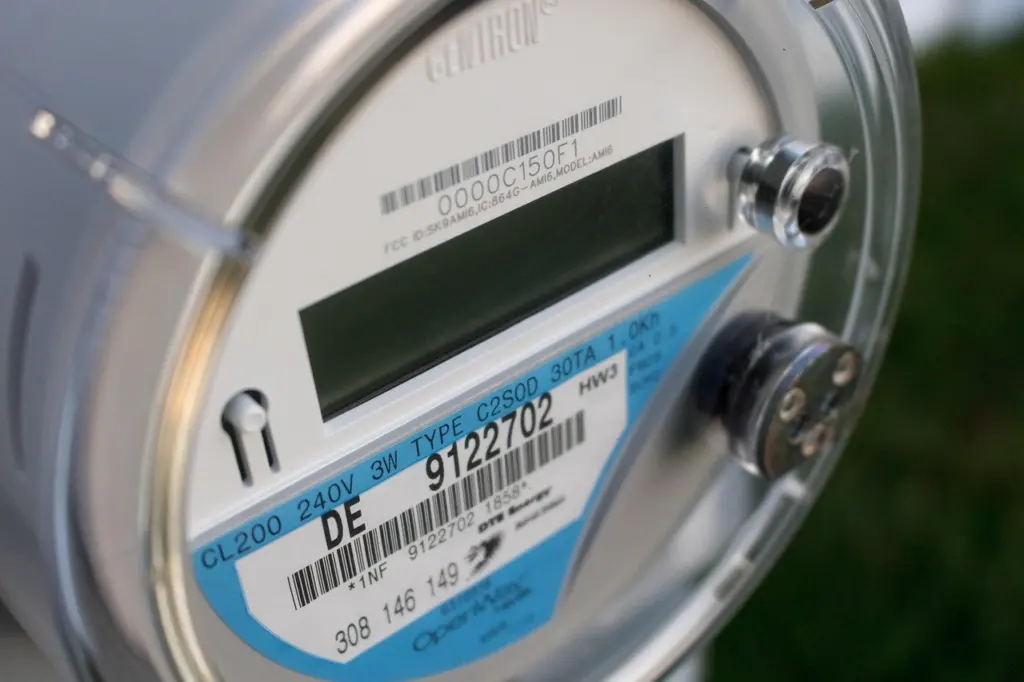
Because payment is for surplus sent out, what leaves your home is the figure that counts, and the electronics that measure it matter more than they first appear. Ask which meter and monitoring arrangement your installation will use and what the tariff provider needs in order to record your export. A monitoring display that shows generation, use and export separately also lets you check, month by month, whether the system behaves as quoted.
Small-scale and portable solar
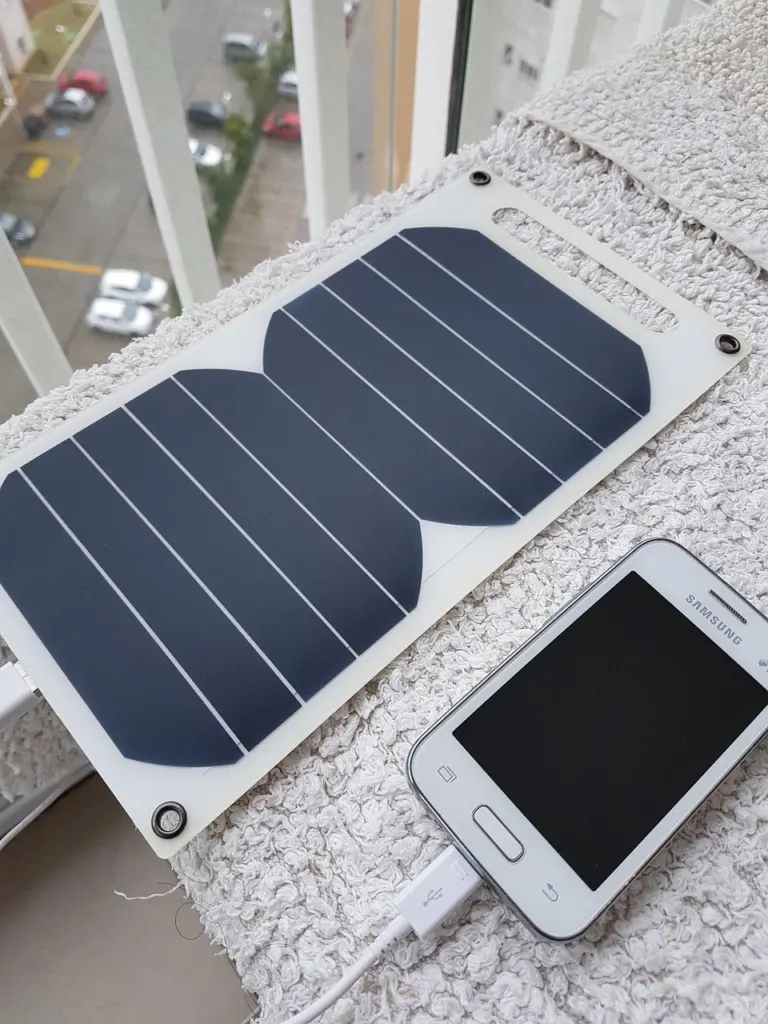
Not every solar purchase is a roof system. For renters, for people without a suitable roof, or for anyone who only wants to charge devices, small panels use the same electronics at a smaller scale: a panel producing direct current, and something to condition it for the device.

Portable chargers and plug-in panels
A foldable panel with a cable can charge a phone directly, which is the simplest form of solar electronics. Larger plug-in arrangements raise different questions about connection and safety, which how do plug in solar panels work addresses. Treat a portable panel as a way to top up devices, not as a replacement for household supply.
Setups that charge a battery directly usually put a charge controller between panel and battery to regulate the charging. The comparison of mppt vs pwm charge controller explains the two common types and when each suits a small off-grid system.
Other small generators
Solar is not the only way to generate power at a small scale, and wind turbines are the other source people most often consider. The same logic of a generator, conversion electronics and storage applies, but the cost, rules and export figures in this guide describe solar panels and batteries only. A wind turbine on a property would need to be assessed on its own terms.

Upkeep and lifespan
A solar installation is a long-term purchase, so plan for how it will be looked after. Keeping the surface of the panels clear is the routine task, and how to clean solar panels sets out sensible methods and what to avoid.
For the longer view, how long do solar panels last covers how output typically declines with age. Keep the paperwork for every component, including the inverter and any battery, because each part has its own warranty terms and its own replacement question. A system that is monitored from the start also makes any slow decline in output easier to notice.
Choosing your starting point
The right first purchase depends on your use, your budget and your export rate. These situations cover most households.
- Mostly daytime use. Panels and an inverter alone may be enough, since you use much of the output as it is generated. Revisit storage once you have seen real figures from your own monitoring.
- Mostly evening use. A battery earns its place here, particularly if the export rate you are offered sits near the bottom of the range quoted above. Size it to your evening demand.
- Outage concern. Specify backup capability explicitly, list the loads you want to keep running, and ask for the capacity in kWh to be stated on the quote.
- No suitable roof, or a rented home. Begin with the small-scale options and treat them as a supplement.
- Undecided on a battery. Choose an inverter that can accommodate one later, so the decision can wait without closing off the option.
Frequently asked questions
| Question | Answer |
|---|---|
| How many batteries does an average house need? | Re-Volv says that for the average house and energy usage, homeowners would need to install two to three batteries. Because units differ in size, compare total capacity in kWh rather than counting units; the source is Re-Volv’s solar storage guide. |
| Is VAT charged on domestic solar and batteries? | The UK cost guide states 0% VAT on domestic supply and install across Great Britain until 31 March 2027. Check that your quote shows how VAT has been treated and when the work is due to complete; see Energy Advice Helpline. |
| How much of the system price is the inverter? | The same guide says inverters are the most important part of a solar energy system and make up 10-20% of the bill, so a cheap inverter rarely justifies a lower overall price on its own. |
| How long could a small battery run a home? | Palmetto’s estimate for a small 5 kWh battery running a heat pump is 9+ hours in sunny weather and 7 hours in cloudy weather. Runtime depends on what is running, so treat it as an illustration; the source is Palmetto’s backup guide. |