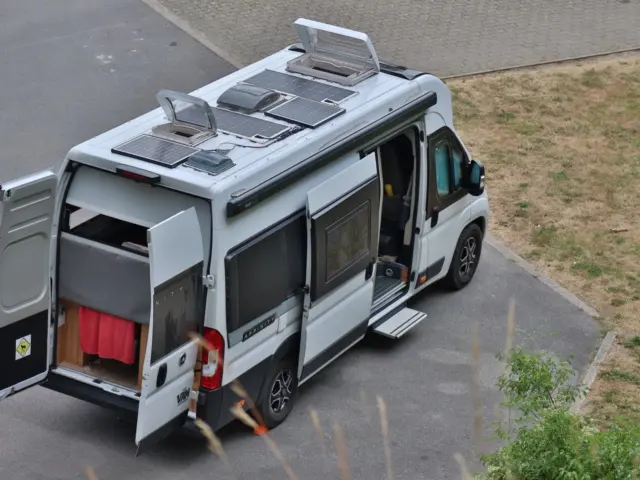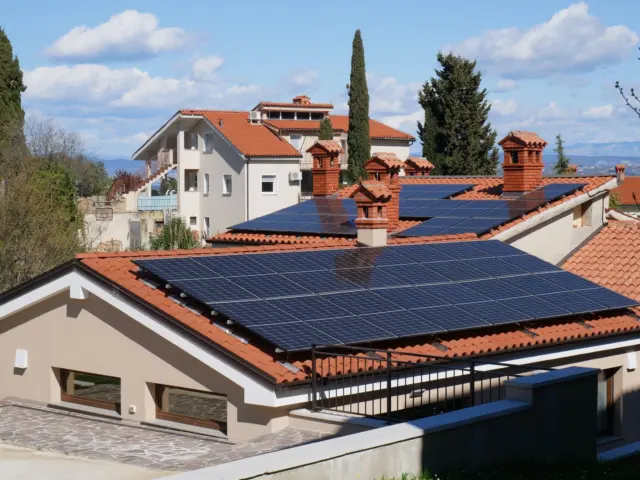
How do plug in solar panels work? The panels make direct current, a small microinverter converts it to household AC, and a lead plugs into a mains socket so your home uses the solar power first. Output depends heavily on placement.
Picture a flat with a small balcony, no roof access and no appetite for a full installation. A plug-in kit is the realistic way to generate some of your own electricity there. This ranking is for that situation and for small gardens and patios. If you own a roof and want a larger installation, home solar panels and battery storage is the better starting point.
- Best output: a standard two-panel kit on an angled stand facing the sun, with no shade.
- Best for most flats: panels on the balcony railing, accepting lower output in return for easy placement.
- Best for renters: a self-installed kit that plugs into a socket, provided a safe, weatherproof socket is available.
The shortlist at a glance
| Option | Typical placement | Output example | Planning use |
|---|---|---|---|
| Angled two-panel kit | Freestanding stand on a patio or garden, south-facing and unshaded | Up to 370 kWh/yr in the optimal-angle, unshaded, south-facing example | Choose when you have open ground or a sunny spot and want the most from the kit. |
| Vertical railing mount | Balcony railing, panels upright | Typical losses of 30-45%; 132 kWh/yr in one Edinburgh-based estimate for a vertically mounted panel | Choose when the railing is the only space and modest output is acceptable. |
| Renter-friendly plug-in setup | Wherever a weatherised external plug is available | Depends on placement, as above | Check the socket and any restrictions on the circuit before buying. |
The output figures come from The Conversation’s explainer on plug-in solar panels, and they are illustrative examples rather than guarantees for any one home.
How plug-in solar panels work
Panels and microinverter
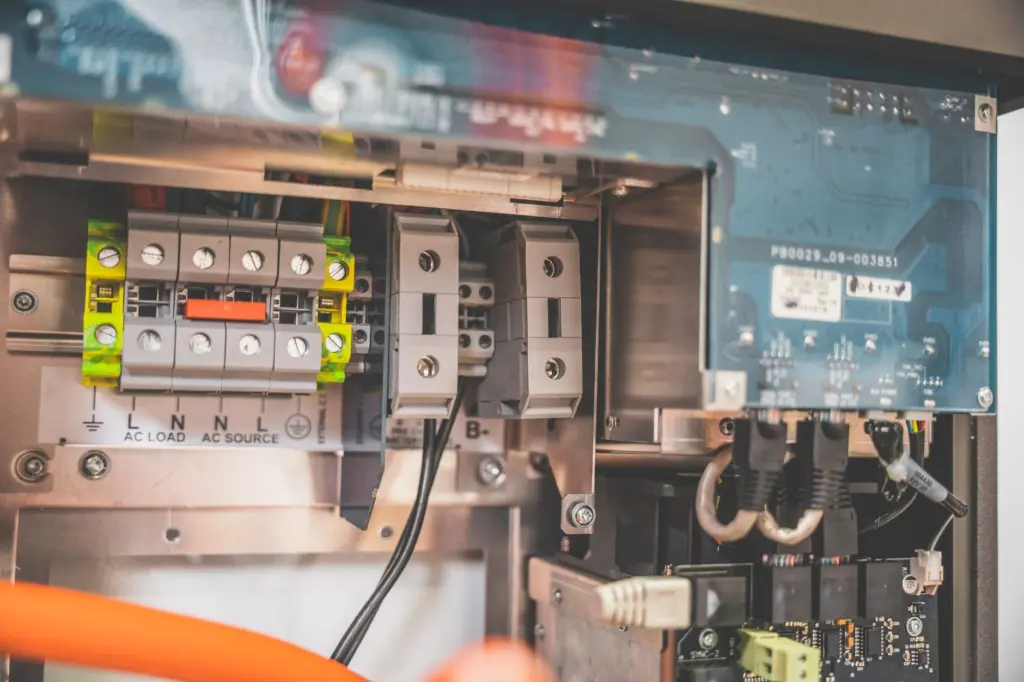
Solar panels produce DC electricity, but a home runs on AC. In a plug-in system, a microinverter converts the panels’ DC into AC. The conversion happens at the panels, so no separate inverter cabinet is needed. The unit is described as only as big as a box of chocolates, which is why it can sit beside the panels on a balcony or stand.
The plug and your home circuit
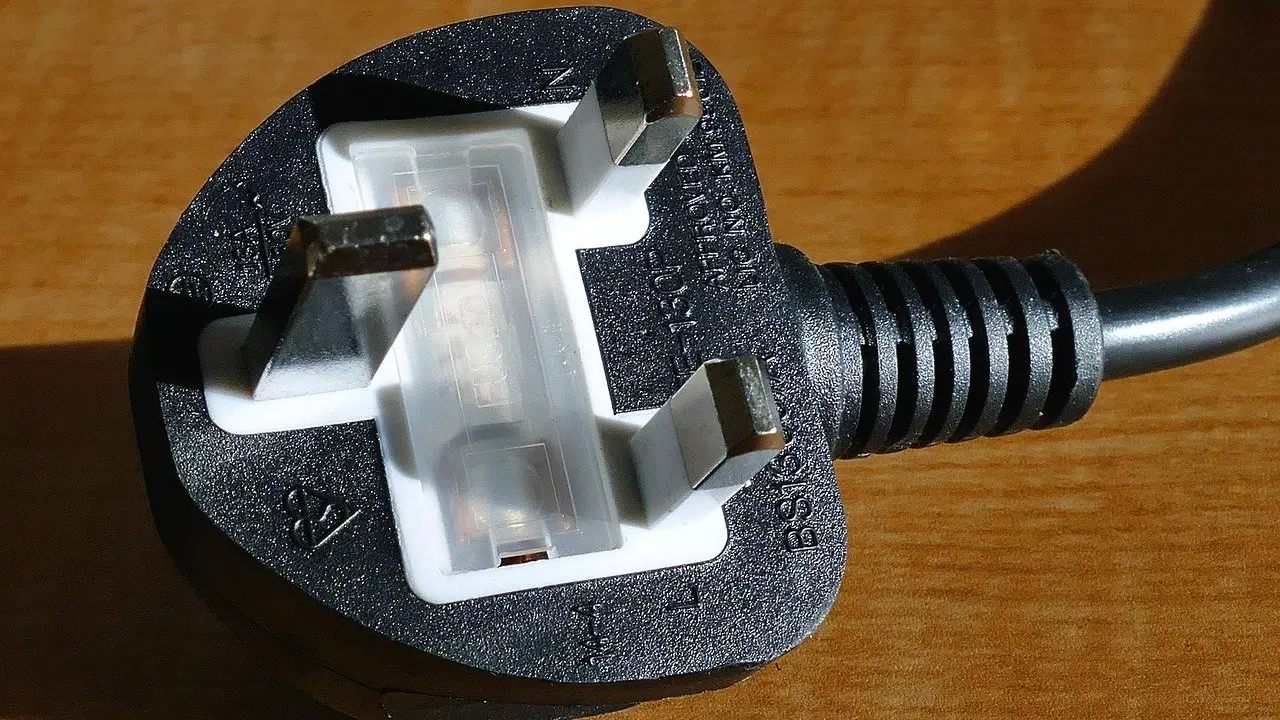
The AC output runs through a lead to a standard socket. These kits can be self-installed and plugged directly into a mains socket, so there is no electrician-built connection into the consumer unit as there is with a roof system. The plug is the reason wiring rules matter. A socket is part of a circuit that also feeds other things in your home.

The Conversation notes that this may restrict use to a circuit that only connects to low-power devices, such as one that does not feed ovens or kettles. Read the kit’s documentation and check the circuit you plan to use before ordering.
Shutdown when the grid drops
The inverter is designed to stop when there is no grid to connect to. It shuts off within milliseconds of losing the grid, so the panels do not keep energising the wiring.
Best output: angled two-panel kit on a stand
A standard kit has two panels, each with a peak capacity of 400-450 W, and an 800W microinverter. Peak capacity is what a panel can deliver in ideal conditions. It is not what you will see on a typical grey day.
Placement decides how close you get. In The Conversation’s example, output from a plug-in panel could rise to 370 kWh/yr when it faces south, sits at an optimal angle and has no shading. Treat that as a best case for a small system, not a target to expect on a balcony. A freestanding stand on a patio or in a small garden is the easiest way to approach it, because you choose the tilt and direction rather than accepting whatever the railing allows.
Suits: anyone with open, sunny ground or a patio. Limits: you still need a weatherised external socket within cable reach, and the stand has to be positioned to avoid shade.
Best for most flats: balcony railing mount
Railings put panels upright, and upright panels give up output. The same explainer gives typical losses of 30-45% for vertically mounted panels. Its single Edinburgh-based estimate for a vertically mounted panel is 132 kWh/yr, far below the best-case figure above.
That does not make the railing a poor choice. It is often the only space a flat has, and some generation beats none. It suits households that want to trim a small slice of daytime electricity use and accept a long payback. Choose a different spot if you have one that can be angled and kept unshaded. Whatever you fix to a balcony needs to be secure, and tenants should confirm with the landlord first.
Best for renters: self-installed plug-in setup
Renters can use balcony solar panels in practice because the kit is self-installed and plugs into a socket. There is less fixed work than with a roof system, and nothing needs to be wired into the building.
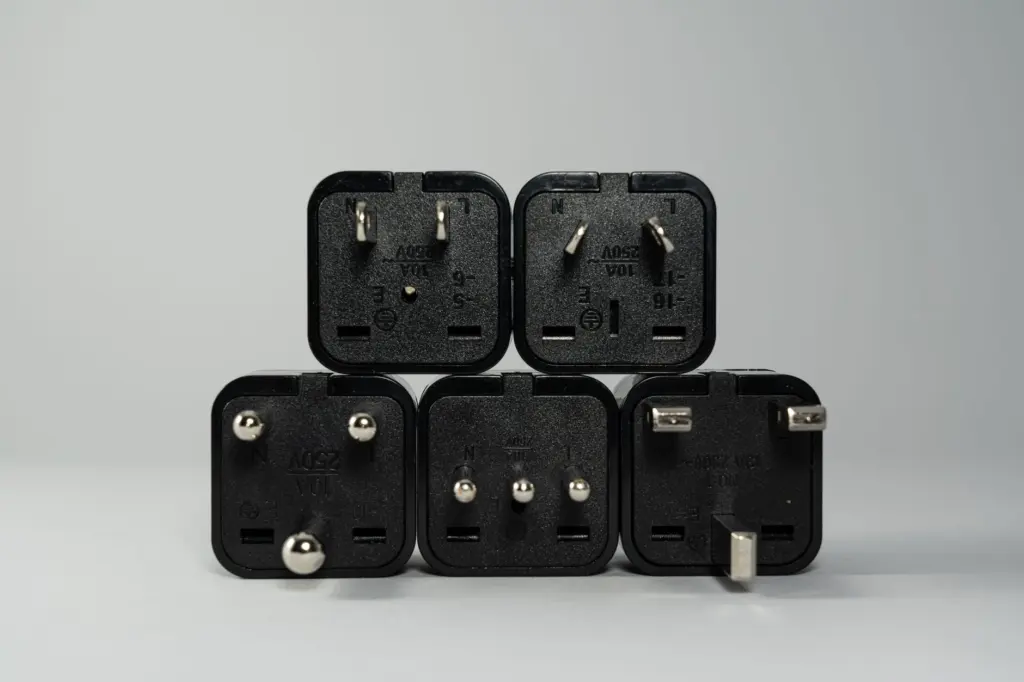
The catch is the socket. A balcony or patio needs a weatherised external plug, which not all flats have. Without one, you would need an approved solution rather than a cable trailing through a window. Check your tenancy terms, ask the landlord before fixing anything, and look at the circuit restriction described above. If a safe socket is not available, wait rather than improvise.
Do you need a microinverter for balcony solar?
Yes, a microinverter does the DC-to-AC conversion in a plug-in system, and a standard kit includes one. Buying a complete kit with the microinverter matched to the panels is simpler than assembling separate parts. The kit’s 800W microinverter limit also tells you the most the system can feed into the socket at any moment, whatever the panels’ combined peak rating.
Cost and what you save
The typical price is modest. A standard system with two 400W panels and a microinverter costs around £500. Use that as a reference point and ask what any much dearer kit adds, such as a stand or better panels.
Savings come from the electricity you do not buy. Solar power reduces what the home draws from the grid at the time it is generating. In one worked example, a circuit draws 1,150W from the solar panels and only 350W from the grid. That only happens when the home is using power while the sun is shining. The annual kWh figures above, multiplied by your own unit price, give a more honest estimate than any headline saving. A vertically mounted kit will save noticeably less than an angled one.
Looking after a small system
Plug-in panels need little attention, but they age and gather dirt like any other panel. For ageing, read how long do solar panels last. For upkeep, see how to clean solar panels.
A short decision checklist
- Find the sunniest unshaded spot you can reach, and prefer an angled, south-facing position over a vertical one.
- Confirm there is a weatherised external socket nearby, or a safe alternative.
- Check that the circuit you plan to use suits a low-power connection.
- Choose a complete kit that includes the microinverter, and treat the typical kit price as your reference.
- Ask the landlord before fixing anything, if you rent.
- Work out expected savings from the kWh range for your placement and your own electricity price.
Frequently asked questions
Will a plug-in system keep running in a power cut?
No. The inverter shuts off within milliseconds of losing the grid, and a relay turns off when no grid is detected, so the panels do not feed power into the wiring.
How big is the microinverter?
It is described as only as big as a box of chocolates, so it fits beside the panels on a balcony or stand.
How efficient are the panels?
Monocrystalline plug-in panels are around 22-25% efficient. Placement, angle and shade affect your output more than small differences between panels.