How long do solar panels last? Most carry a 25–30 year manufacturer warranty, and output usually fades gradually rather than stopping. The main condition is the annual loss rate, which NREL findings put at an average of 0.5% per year.
This guide sits within our wider coverage of home solar panels and battery storage. It explains why output declines, what the warranty promises, and which component usually needs attention first. Seasonal swings are a separate matter from ageing, and do solar panels work in winter covers them.
Why panels lose output over time
A solar panel has no moving parts, so its decline comes from slow changes in the cells and electrical components. Three mechanisms matter, and they act at different stages of a panel’s life.
Light-induced degradation in the first hours
Light-induced degradation (LID) happens in the first hours of exposure to sunlight, and it reduces a panel’s efficiency, according to This Old House’s review of the topic. It is an early, one-off effect rather than a continuing slide. Because it appears so early, it is usually already reflected in the output figures a panel is rated against over its working life. Do not read an early dip as a sign that the panel is failing.
Potential-induced degradation and electrical stress
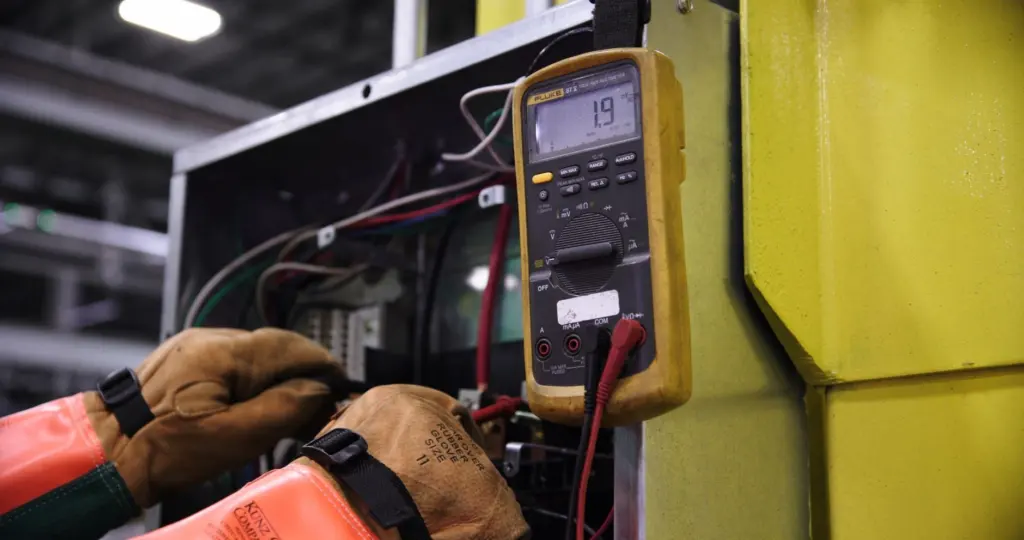
Potential-induced degradation (PID) is a different problem. It is linked to voltage stress within an array and can lead to short circuits in the array, as This Old House explains. PID is a fault condition rather than normal ageing. If one array performs clearly worse than comparable systems, an installer’s inspection is the sensible next step.
Steady annual degradation
The third mechanism is the slow, continuous loss that every panel experiences. The degradation rate is the share of original output lost each year. NREL’s findings, as reported by This Old House, indicate an average of 0.5% per year. Premium Tier 1 brands are cited with rates as low as 0.30% per year. That gap between average and best-case panels is the reason the rate on the datasheet deserves a look before you buy.
What the degradation figures mean in practice
A percentage per year is hard to judge until it is compounded over a quarter of a century. The table below shows what two quoted rates leave after 25 years, alongside a typical UK performance guarantee.
| Scenario | Rate or guarantee | Output remaining | Planning use |
|---|---|---|---|
| Premium Tier 1 panel | 0.30% per year | 93.04% of original output after 25 years | Best-case benchmark when comparing premium panels |
| Tier 2 panel at the NREL average rate | 0.50% per year | 88.67% of original output after 25 years | Reasonable central assumption for long-term generation estimates |
| Typical UK warranty guarantee | 90% for the first 10 years, 80% for 25 years | Guaranteed floor, not an expected result | Worst-case line below which you can make a claim |
The first two rows come from Dominion Energy’s lifespan guide, and the warranty guarantee is described in Upvolt’s explanation of UK panel warranties.
The practical point is that a warranty guarantee is a floor. Panels degrading at the typical rates above sit comfortably above it. Use the degradation rate for forecasting income or savings, and treat the guarantee as protection if a panel performs unusually badly.
Warranty terms and what they cover
Most manufacturers warrant their panels for 25–30 years, according to This Old House. In the UK, a typical performance warranty guarantees 90% power output for the first 10 years and 80% at 25 years, as Upvolt describes.
Performance warranties and product warranties are different things. The performance warranty promises a minimum output at set points, which the manufacturer usually documents on the datasheet as a guarantee curve. Check three things before relying on it:
- The guarantee length. A 30-year term is more reassuring than a 25-year one, though the terms at each milestone matter as much as the headline number.
- The output floor at each stage. Compare the percentage promised at 10 and 25 years, not only the total term.
- Who stands behind it. A warranty is only as good as the manufacturer or installer still operating when you need it.
Commercial installations show a similar picture. Boston Solar notes that commercial panels last about 25 years before significant degradation starts. The US Department of Energy cites an estimated operational lifespan of 30–35 years for solar panels, a figure reported by This Old House. These are estimates of useful life, and they sit beyond the warranty period.
What typically fails first
In most systems the panels outlast the equipment attached to them. The inverter is the usual first casualty because it converts power continuously. Inverters usually last 10–15 years, and they work constantly, which is why they have a shorter lifespan than panels. Dominion Energy similarly advises that you should usually change the inverter every 10–15 years.
In practice, plan for at least one inverter replacement over a panel’s life. The panels themselves are physically robust, and most modern panels can withstand hail up to one inch in diameter. A failed inverter is therefore a more likely reason for a sudden drop in generation than the panels.
Home batteries compared with panels
Home battery storage ages on a shorter clock than the panels. On average, solar batteries come with a 10-year warranty. That is well below the 25–30 year panel warranty. When working out solar battery lifespan, budget for replacing a battery at least once during the life of the panels. If you are comparing systems, check the warranty term and any cycle-count conditions in the paperwork, since those define what the manufacturer will cover.
Smaller kits follow the same logic of components ageing at different rates. Anyone considering one may want to read how do plug in solar panels work first, since lifespan questions matter there too.
When to replace solar panels
Panels do not simply stop working after 25–30 years. Upvolt describes a gradual decline, so age alone is not a reason to replace them. The clearer test is whether the array still meets your needs. If your panels can no longer generate enough electricity, it may be time to replace them.
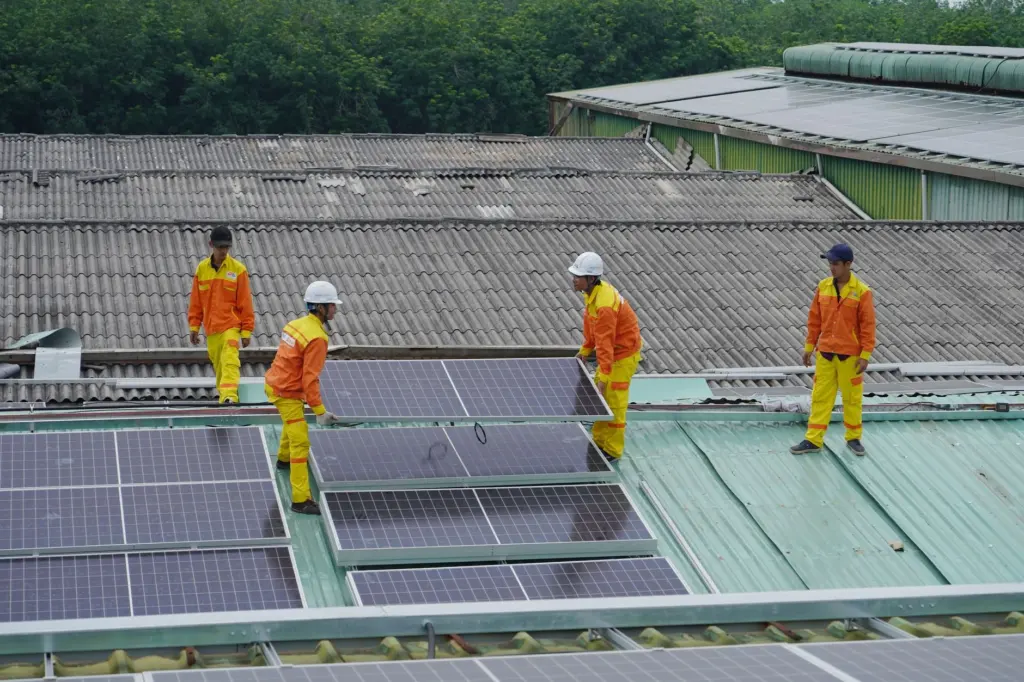
Use these decision points to judge the situation:
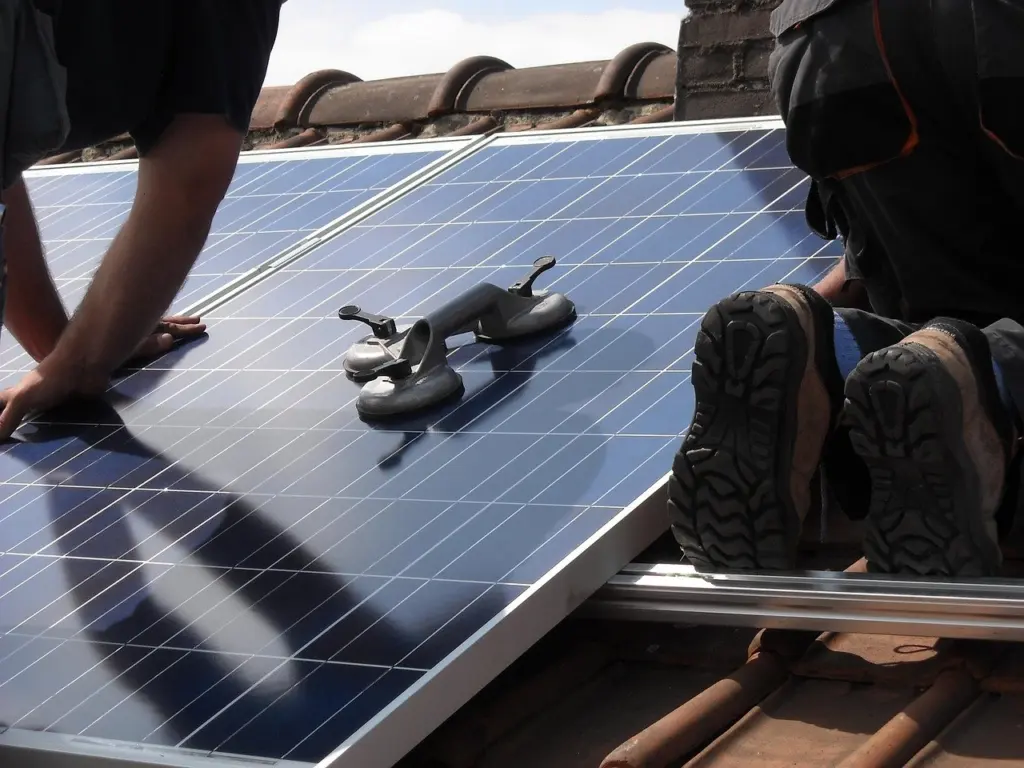
- Check the inverter first. A sudden fall in generation is more often an inverter problem than a panel problem, so rule it out before condemning the panels.
- Compare output with the warranty curve. If measured output sits below the guaranteed percentage for the panel’s age, you may have a warranty claim rather than a replacement bill.
- Look for fault patterns. One underperforming string or a sharp loss on one array points towards a fault such as PID, not normal ageing.
- Weigh need against output. If gradual loss still leaves enough generation for your household, keeping the array in service is reasonable.
Frequently asked questions
Do solar panels stop working once the warranty ends?
No. The warranty marks the end of the manufacturer’s guarantee, not the end of useful output. Panels keep generating and decline gradually.
Will the inverter need replacing before the panels?
Usually, yes. Inverters typically last 10–15 years, which is shorter than the panel warranty period.
How long does a home battery last compared with panels?
A typical solar battery carries a 10-year warranty on average, against 25–30 years for panels, so expect to renew the battery sooner.
Can new panels lose output straight away?
A small early loss can occur through light-induced degradation, which acts in the first hours of sunlight exposure. After that, the slower annual degradation rate takes over.