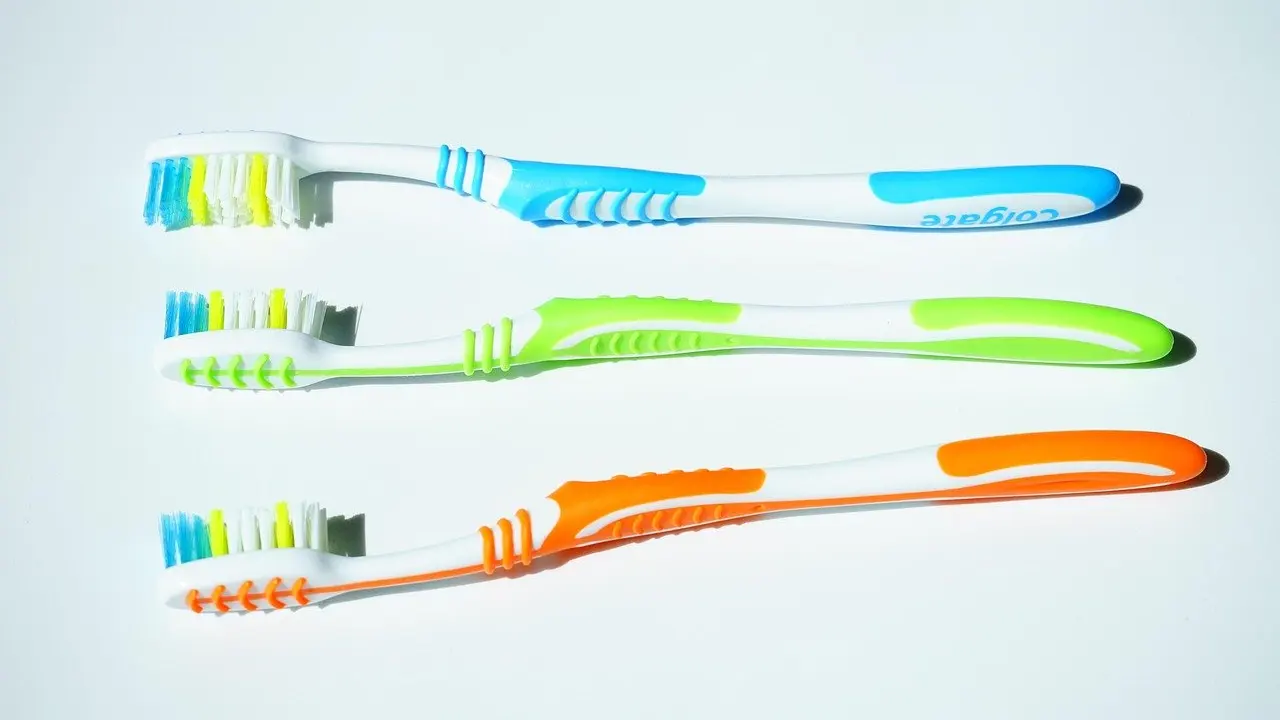
The best electric toothbrush for most households is a $50 handle matched to your preferred brush style: the Oral-B Pro 1000 for a round oscillating-rotating head, or the Philips Sonicare 4100 for a sonic motor.
- Decide the motion first. Round oscillating-rotating head or side-to-side sonic head.
- Insist on feedback. A two-minute timer and a pressure sensor matter more than extra cleaning modes.
- Price the heads, not just the handle. Replacement heads are a recurring cost and are tied to the brand.
If you are standing in front of a wall of handles with near-identical box claims, this guide sorts them by the problem you are trying to solve. For other product categories, our consumer electronics buying guide covers the wider range. The picks below rest on manufacturer-stated specifications rather than hands-on testing, so treat battery life as a manufacturer figure.
Are electric toothbrushes worth it?
Electric toothbrushes are worth buying when the built-in timer and pressure feedback replace habits you would otherwise have to police yourself. The entry point is modest: at $50, the Oral-B Pro 1000 already includes a two-minute timer and a pressure sensor light. The Philips Sonicare 4100 sits at the same price and adds a sonic motor that responds to pressure.
Spending more is a separate decision. The Oral-B iO Series 4 costs $100 and is the entry premium model in the iO magnetic drive line, so its extra money buys more customisation rather than a different job. If you only want a reliable timer and gentle-pressure feedback, the $50 tier covers it. If a dentist has recommended a specific brush or you have a particular gum concern, follow that advice over any price-tier rule.
Oscillating-rotating or sonic: choosing the brush style
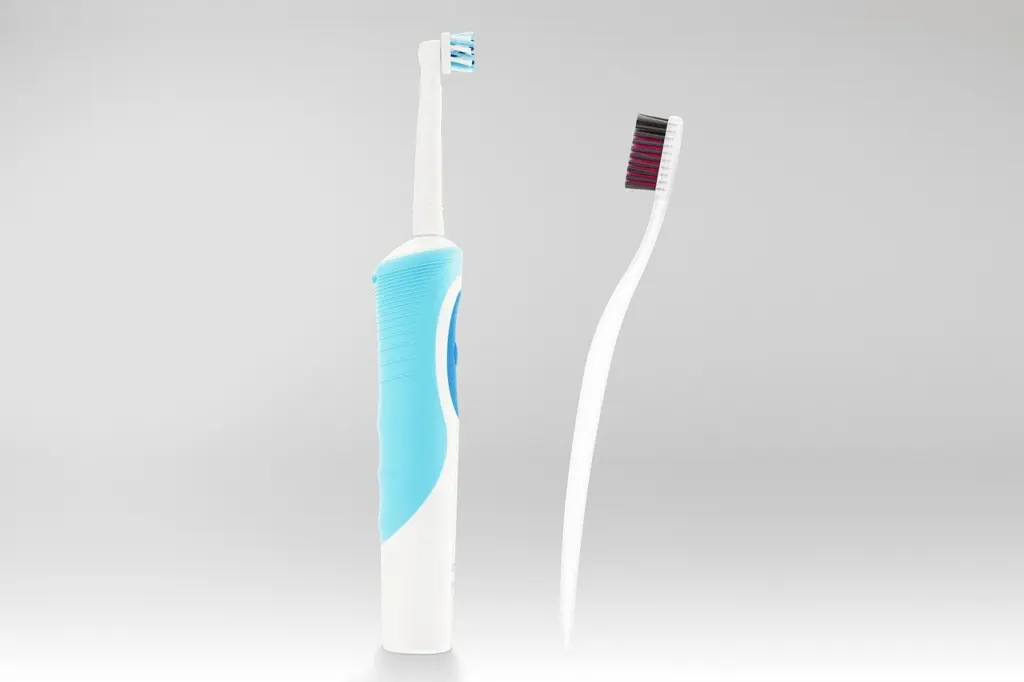
The difference between oscillating-rotating and sonic models is the movement of the head. The Oral-B Pro 1000 uses oscillating-rotating technology, not sonic vibration. Its round head rotates and pulsates at 8,800 oscillations per minute, aimed at plaque removal at the gumline.
The Philips Sonicare 4100 is a sonic toothbrush. Its motor produces 31,000 brush strokes per minute in a side-to-side motion. The two figures count different movements, so a bigger number does not mean a cleaner mouth. Treat them as a description of how each brush moves, not a score.
- Choose oscillating-rotating if you like a small round head that works at the gumline and want a wide choice of heads within one brand.
- Choose sonic if you prefer a side-to-side sweep and want the brush to slow itself when you press too hard.
- Choose the one you will use daily. The feel of the head in your mouth is a better tiebreaker than a motion-speed figure.
Features that actually matter
A short list of features does real work every time you brush: the timer, pressure feedback, modes you will really use and a battery that fits your routine. Everything else is secondary.
Two-minute timer
Timers ensure an adequate brushing duration, typically recommended at two minutes, evenly divided across the quadrants of the mouth. The Oral-B Pro 1000 builds this in with a 2-minute timer and 30-second quadrant pacing, which tells you when to move to the next section of your mouth. Treat a timer as non-negotiable.
Pressure sensor
A pressure sensor protects your gums from over-brushing. The two brushes respond differently. On the Oral-B Pro 1000, a red indicator lights when applied force exceeds the level that risks gum irritation. The Sonicare 4100 reduces motor speed rather than just indicating with a light. A light relies on you noticing it, while slowing the motor corrects the pressure for you, so heavy-handed brushers may prefer the second approach.
Modes and app connection
The Oral-B iO Series 4 offers five modes for daily cleaning, whitening focus, gum line care and sensitivity. They are useful if you have a specific need, such as sensitivity. For general cleaning, one good daily mode is enough. The Colgate hum connects to the Colgate app via Bluetooth, which suits people who like tracking their brushing. If you would never open an app, skip that premium.
Battery and charging
Battery life is a manufacturer-stated figure per charge. The Sonicare 4100 gives up to 14 days of use per charge, against approximately 7 to 10 days for the Oral-B Pro 1000. At home both are easy to live with if the charger stays by the sink.
Quick fixes by problem
Use this table to match the problem you are trying to solve to a feature and a brush from the comparison.
| Problem | What to look for | Example from the specs | Planning use |
|---|---|---|---|
| Tight budget but want a smart brush | Bluetooth app connection at the lowest price | Colgate hum, $30 | Good if you will use the app; otherwise a $50 handle gives you more brushing feedback. |
| You press too hard | Pressure response, not just a warning | Sonicare 4100 slows the motor; Oral-B Pro 1000 shows a red light | Choose the motor-slowing response if you tend to ignore lights. |
| Want a round head at the gumline | Oscillating-rotating motion | Oral-B Pro 1000, 8,800 oscillations per minute | Suits brushers who prefer a rotating head. |
| Need long battery for trips | Stated days per charge | Sonicare 4100, up to 14 days | Fewer chargers to pack. |
| Want customisable modes | Multiple modes for whitening, gum care, sensitivity | Oral-B iO Series 4, 5 modes, $100 | Worth it only if you will switch modes. |
Specifications and prices in the table come from manufacturer product pages as compiled by Pickspry.
Best travel electric toothbrush
For travel, battery life per charge is the deciding feature. The Sonicare 4100 runs up to 14 days per charge, so a longer trip may not need a charger at all. The Oral-B Pro 1000 is rated at approximately 7 to 10 days, so pack its charger for anything near the top of that range.
Travel also exposes head compatibility. Philips Sonicare brush heads use a snap-on fitting rather than Oral-B’s push-on fitting, so a spare head must match your handle’s brand. Carry a spare of your own head type rather than assuming a hotel or shop will stock it.
Best electric toothbrush for kids
The best electric toothbrush for children is one that makes the two-minute timer and gentle pressure feedback easy to follow. The brushes covered here are adult models, so a dentist’s advice on head size and suitability for your child’s age should come first.
Within these options, the Colgate hum at $30 is the most affordable smart electric toothbrush in the comparison, and it links to the Colgate app via Bluetooth. That suits a child who needs a prompt to keep going, and the low price softens the cost if the brush is dropped or lost. Pressure feedback matters more for children who brush hard, and the timer helps parents confirm that brushing lasts long enough.
Brush head costs and replacement
The handle price is only the start, because heads are the recurring purchase. Before choosing a handle, check the manufacturer’s price for a replacement head and how many heads come in a pack. A cheaper handle with expensive heads can cost more over the years than a dearer handle with affordable ones.
Head choice also differs by brand. Cross-compatible Oral-B heads (Crossaction, 3D White, Sensitive, Floss Action) fit the Pro 1000 handle, which gives you options if your needs change. Sonicare heads use a different snap-on fitting. Brush head ranges can be confusing, and sites such as Electric Teeth publish guides that explain them.
On how often to replace a head, follow the replacement guidance from the head’s manufacturer and your dentist, and replace it sooner if the bristles look worn or splayed. Buying heads is simpler if you stay within one brand’s range.
Frequently asked questions
| Question | Answer |
|---|---|
| Do I need a smart toothbrush with an app? | No. The app is optional. The Colgate hum connects to the Colgate app via Bluetooth, and it is the lowest-priced smart option at $30. A timer and pressure feedback do more for brushing quality than an app does. |
| Can I put Oral-B heads on a Sonicare handle? | Not as a rule. Sonicare heads use a snap-on fitting while Oral-B heads use a push-on fitting. Buy heads that match your handle’s brand. |
| What does the $100 Oral-B iO Series 4 add over the $50 Pro 1000? | It is the entry premium model in the iO magnetic drive line, with five modes covering daily cleaning, whitening focus, gum line care and sensitivity. The Pro 1000 does not offer that range of modes. |