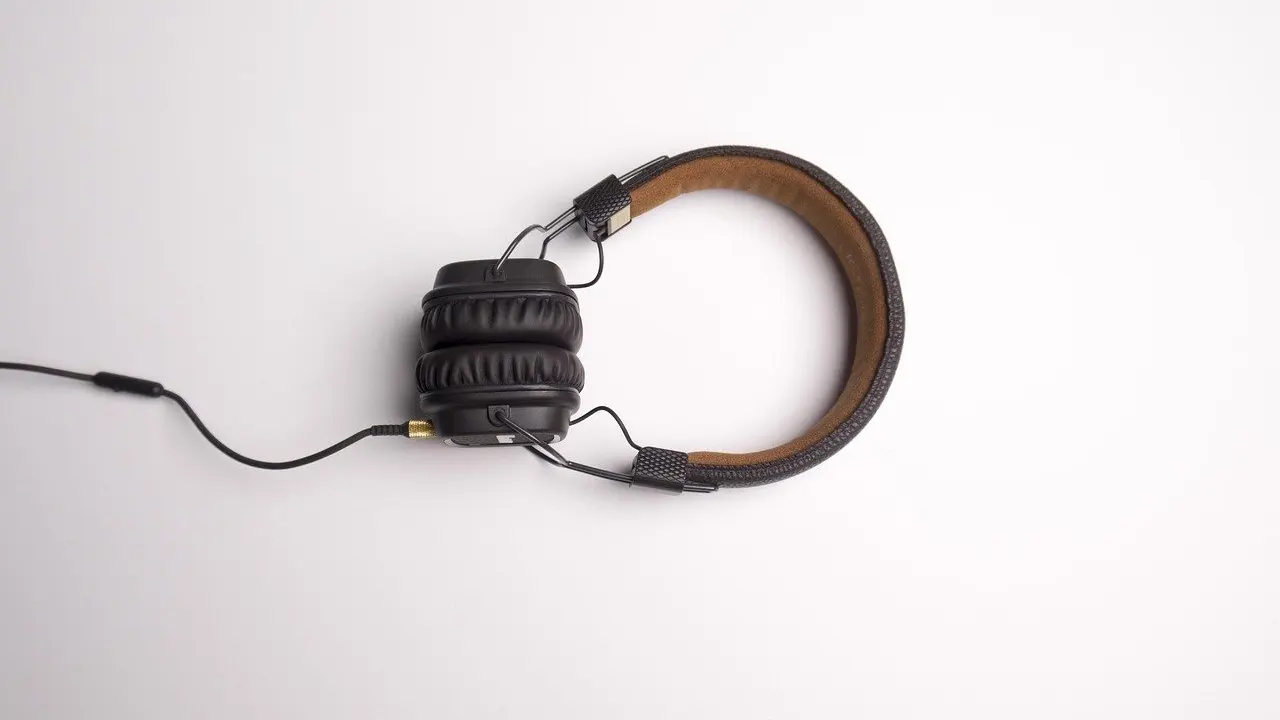
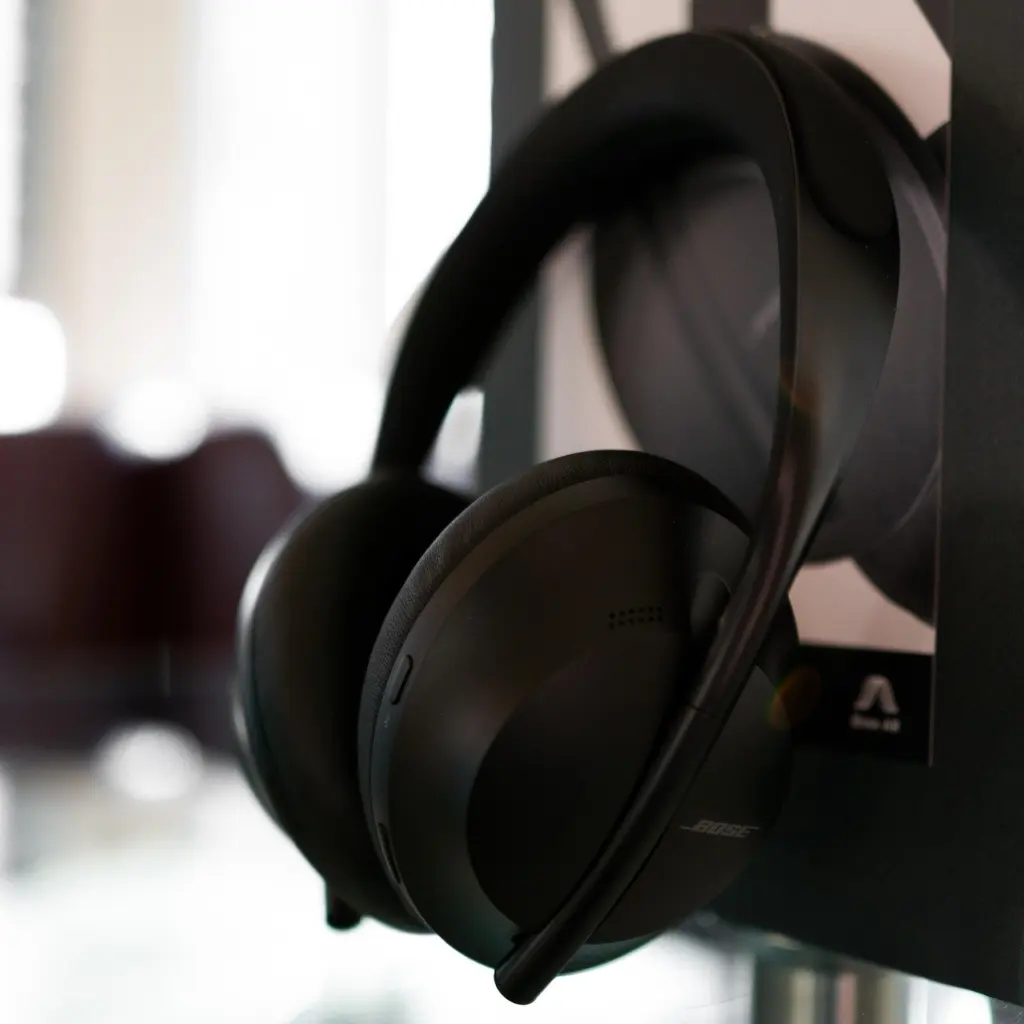
The best noise cancelling headphones for flights and commuting are over-ear models with long battery life, a comfortable fit and a clear ANC control. The picks below suit long-haul listening, all-day comfort and light, call-friendly use.
On a long flight, the constant low drone of the engines is the kind of noise ANC handles best, so the question is less whether to buy ANC and more which trade-offs you can live with. For wider gear decisions, the consumer electronics buying guide sets out how to weigh features against budget, and anyone who prefers something pocketable can read about the best wireless earbuds instead.
Active noise cancelling versus passive isolation
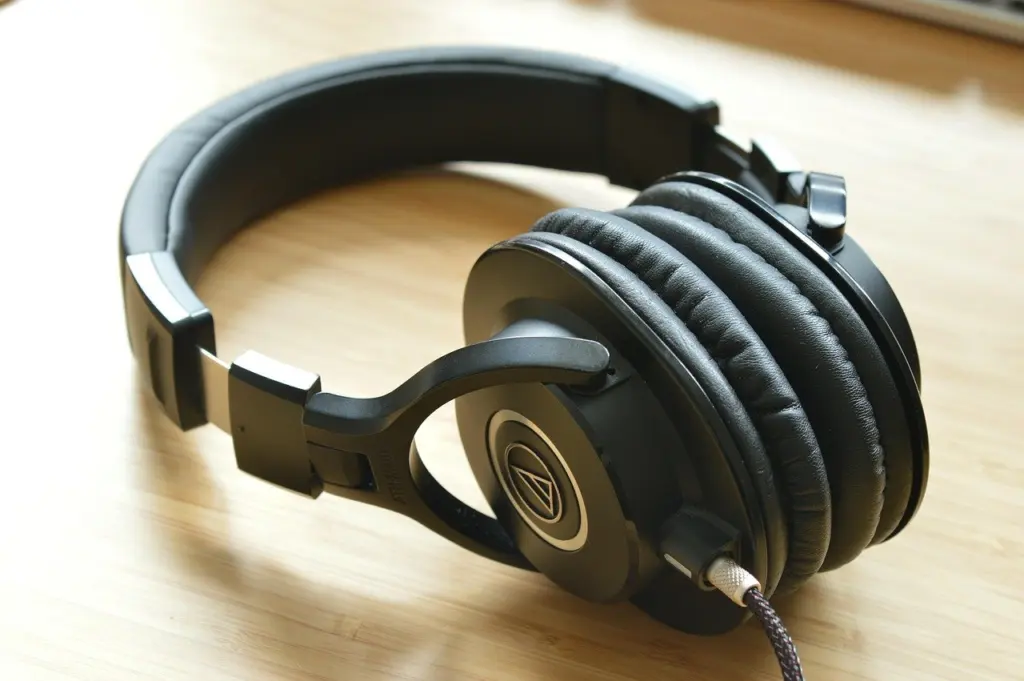
Passive isolation blocks sound with physical barriers such as thick earcups and a close fit, while active noise cancellation (ANC) employs microphones and electronic circuitry. Over-ear designs have large ear cups that fully encompass the ears, so they combine both layers. That is why every pick here is over-ear.
The padding matters even when ANC is switched on. If the earcups do not seal comfortably around your ears, the electronics have more noise to deal with, so try the fit before paying for extra ANC features.
What ANC handles best
ANC works best on low-frequency, constant droning sounds like airplane engines. Aircraft cabin noise fits that description closely, which makes flights the strongest case for paying for ANC. For other noisy places, expect a smaller and less predictable benefit and lean more on the quality of the seal.
Levels and limits
One of the picks below describes its ANC as usually a reduction tool, not a silence machine, and that is the right expectation for any model in this class. Adjustable levels are worth having because they let you dial the effect back when you want less processing. The Skullcandy offers adjustable levels, and the Poly has three selectable settings.
Skullcandy Crusher ANC 2: longest battery life
The Skullcandy Crusher ANC 2 is an over-ear Bluetooth 5.2 headphone with four microphones dedicated to ANC and adjustable levels. Its main strength is endurance: up to 60 hours with ANC off, with a spec-sheet average battery life of 50 hours. Treat 60 hours as a ceiling and use the 50-hour average for planning, particularly if you will keep ANC on.
A rapid charge gives roughly 4 hours of listening from a 10-minute top-up, which helps if you forget to charge before leaving. Multipoint pairing lets a laptop and a phone stay connected simultaneously, so it suits anyone who moves between a work laptop and a phone on the same journey.
The trade-off is bulk. At roughly 0.33 kg it is described as chunky, and it is the heaviest of the three picks. Choose it when battery and device switching matter more than low weight.
ZIHNIC WH-930: comfort and a flat-lying design
The ZIHNIC WH-930 weighs roughly 0.3 kg, and its earcups swivel 90 degrees so they lie flat. That design helps when you take the headphones off between announcements or want to stow them flat. The drivers are 40mm with a 40 Hz to 20,000 Hz range and 32-ohm impedance, which are useful figures for comparing it with other spec sheets.
A full charge takes about 2 hours, and a quick charge gives several hours of listening from 10 minutes. There is no headphone jack, so plan on wireless-only use. If you want to keep listening after the battery runs out, look at a model with a wired option instead.
It suits travellers who value a comfortable swivelling fit and accept Bluetooth as the only connection.
Poly Voyager Focus 2 UC: light weight and call use
The Poly Voyager Focus 2 UC is the lightest of the three at roughly 175 g, with a lightweight headband. ANC has three selectable levels: high, low and off. Bluetooth 5.1 handles a mobile phone, while a USB-A adapter connects it to a PC or Mac, which makes it a sensible pick if the same headset must serve a desk and a commute.
Battery is rated at up to 19 hours of talk time with a 2-hour charge. That is the shortest endurance figure here, and it is quoted for talk time rather than music playback. It suits commuters and office workers who want a light headset for calls. It is a weaker choice for the longest flights, where the Skullcandy’s headline figure is far higher.
Side-by-side comparison
| Model | Battery and charging | Weight | Design and ANC | Planning use |
|---|---|---|---|---|
| Skullcandy Crusher ANC 2 | Up to 60 hours with ANC off; roughly 4 hours from a 10-minute top-up | Roughly 0.33 kg | Over-ear, Bluetooth 5.2, four ANC microphones with adjustable levels | Long journeys and laptop-plus-phone use |
| ZIHNIC WH-930 | Full charge about 2 hours; no jack for wired use | Roughly 0.3 kg | Earcups swivel 90 degrees to lie flat; 40mm drivers | Comfort and flat packing, wireless only |
| Poly Voyager Focus 2 UC | Up to 19 hours talk time; 2-hour charge | Roughly 175 g | Three ANC levels; Bluetooth 5.1 plus USB-A adapter for PC or Mac | Light weight and calls on a commute |
These figures come from the published ANC headphone roundup, and the battery numbers are quoted on different bases, so they are not a like-for-like runtime ranking.
Matching headphones to a flight or a commute
Rank by journey, not by brand. For a flight, the priorities are ANC strength on steady engine noise, battery that outlasts the trip and a fit you can wear for hours. That points to the Skullcandy for endurance, or the ZIHNIC if a flat-lying earcup design matters more than battery headroom.
For a daily commute, weight and connectivity matter more than the biggest battery. The Poly’s low weight and phone-plus-computer connections suit that routine, and the Skullcandy’s multipoint pairing is the alternative if you carry a laptop and a phone.
On-ear headphones are lighter but a poorer choice for a noisy cabin, which is why this list stays with over-ear designs.
Battery life, wired playback and charging
Many models offer between 20 to 40 hours of playback time on a single charge, so a figure well below that range is a prompt to check the conditions. The Skullcandy’s 60 hours, for example, is stated with ANC off. Look for a manufacturer figure with ANC on before you buy, and compare it only with other figures quoted the same way.
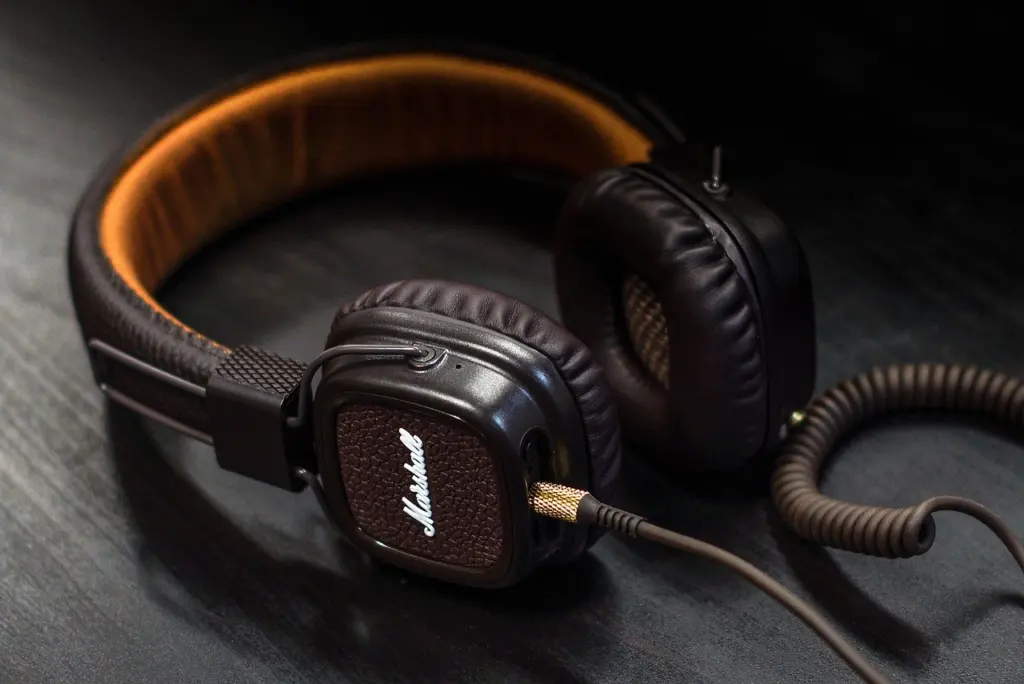
Wired playback is a separate decision. The same source notes that some noise-canceling headphones offer wired options via audio jacks, while the ZIHNIC has none. A jack is worth prioritising if you want a fallback when the battery is flat, and the cable adds a little to what you carry.
A short decision checklist
- Start with over-ear. The larger cups give the best passive seal, so rule out on-ear models if blocking noise is the goal.
- Match battery to your longest stretch. Compare ANC-on figures and use the Skullcandy for the longest trips, remembering its maximum is a ceiling.
- Decide on a cable. If you want wired playback, avoid the ZIHNIC and confirm a jack on any other model.
- Weigh what you carry. The Poly is lightest, the ZIHNIC is in the middle and the Skullcandy is heaviest.
- Check how you connect. Choose the Skullcandy for simultaneous laptop and phone use, or the Poly if a PC or Mac adapter is useful.
If the noise you want to control is weak TV sound at home rather than noise outside, the best soundbars are a better fit than headphones.
Frequently asked questions
How does active noise cancelling work?
Microphones pick up outside sound and electronic circuitry responds to it. Timing is tight because sound travels at roughly 343 meters per second. The Skullcandy dedicates four microphones to this job, according to the roundup of its specifications.
Does noise cancelling affect sound quality?
The effect most often raised is a pressure-like sensation on the eardrum. Bose is known for adjustable ANC levels to combat it, so models with level controls give you a way to ease it.
What does transparency mode do?
Transparency mode uses microphones to pipe outside sound in, so you can hear your surroundings without taking the headphones off.
Are on-ear headphones as good as over-ear for blocking noise?
Not usually. Some users may find on-ear designs less effective at blocking ambient sounds than over-ear ones, which is why over-ear is the safer choice for flights.