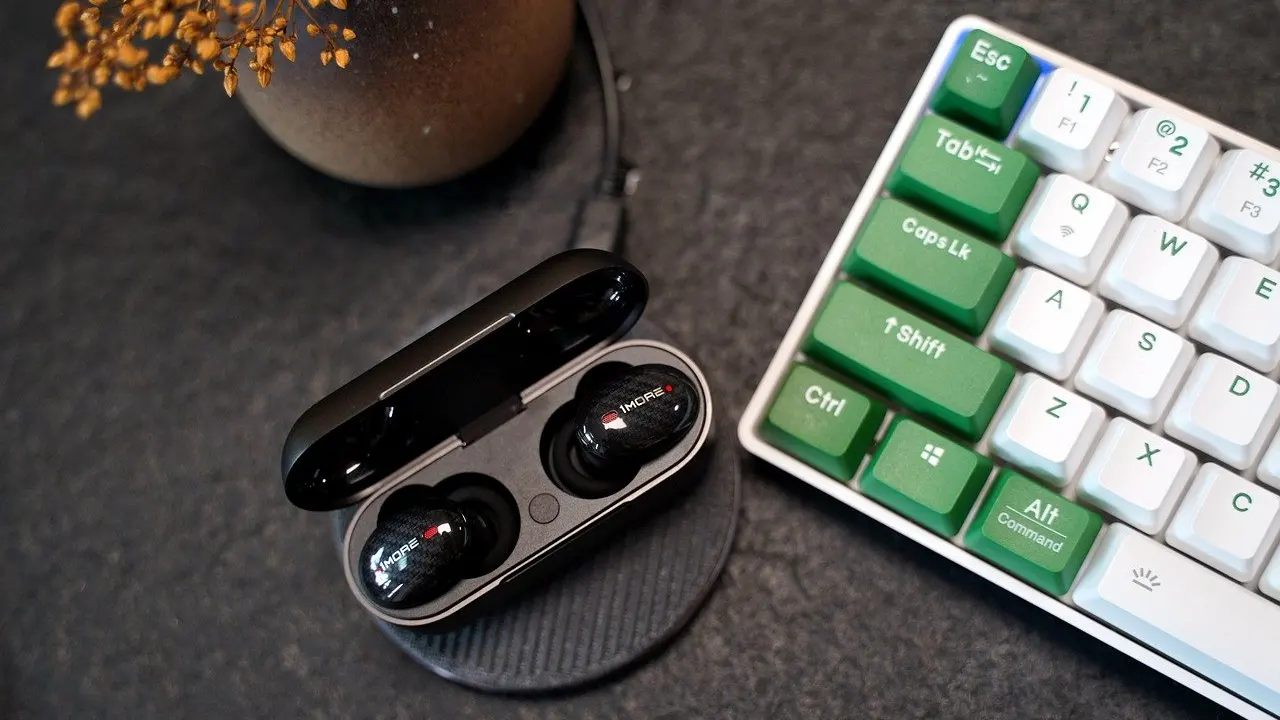
The best wireless earbuds depend on how you use them: a secure fit and an IPX4 or IPX5 rating for running, multiple microphones for calls, and ANC-on battery figures for everyday listening.
This list is organised by use rather than price, and it does not rank models by cost. For wider context on choosing gadgets, see our consumer electronics buying guide.
How these picks are judged
Wireless earbuds are best judged on a few published specifications that you can check on any product page. Each pick below is tested against the same criteria, so no model wins on price alone.
- Battery claims with conditions: a headline figure means little until you know whether noise cancelling was on. Manufacturers usually share three types of battery time: listening, talk and standby.
- IP rating: this is the published measure of water and sweat resistance. Soundcore cites IPX4 or IPX5 as examples of a high rating for sweaty workouts.
- Fit and ear tips: ergonomic designs and multiple ear tip sizes improve comfort and security, according to a guide to IPX7 earbuds.
- Active noise cancellation: useful on commutes, but it costs battery, as the battery section explains.
- Bluetooth version and range: these affect how easy earbuds are to use across different devices.
The checks that matter most depend on the task. The sections below weigh each use in turn.
Best wireless earbuds by use
General listening: Soundcore Liberty 5
Soundcore Liberty 5 is the one named model with manufacturer figures to check here, and it suits commuters and all-day listeners. Soundcore states 8 hours of playtime per charge with ANC activated. The compact charging case adds a further 40 hours, for a total of 48 hours.
Those figures are stated with noise cancelling on, which is the harder test for battery. Adaptive ANC 3.0 automatically scans your surroundings in real time and adjusts the cancellation, so you do not need to switch modes by hand. The soft silicone tips and flexible fins are designed to spread pressure evenly, which matters for long sessions.
The limitation is that a manufacturer figure is a ceiling, not a promise. Real use at higher volume will usually give less, so treat the 8 hours as the upper end of a normal day rather than a target.
Running: fit first, then sweat resistance
For running, choose earbuds with several ear tip sizes and at least an IPX4 rating. Fit decides whether earbuds stay in place, and the rating decides whether sweat and rain will damage them. IPX4 only handles splashes from any direction, which covers ordinary sweat and light rain but not submersion.
IPX5 is the next step the manufacturer cites as a high rating, so it is a sensible target if you run often or in wet weather. Check the exact rating on the specific model’s own specification page, because the rating belongs to the product and not to the brand. Flexible fins and soft silicone tips, as on the Liberty 5, are one approach to a secure, comfortable fit.

Do not pay extra for a higher water rating you will not use. For sweat and splashes the lower ratings above are enough, and fit is the bigger variable. Try different tip sizes before deciding an earbud will not stay in.
Calls: microphones and a stable fit
For calls, pick earbuds with a multi-microphone system, because that determines how clearly the other person hears you. The Liberty 5 uses a six-microphone system with AI algorithms for accurate voice capture. That suits people who take calls on the move or in noisy places.
A stable fit helps here too, since earbuds that shift in the ear tend to be adjusted constantly mid-call. If you are pairing earbuds with a new work machine, our chromebook vs laptop comparison covers the computer side of that choice.
Microphone count is a published specification, but call quality also depends on your environment. Treat the number as a useful filter, not a guarantee.
Comparison of the three uses
| Use | What to check | Published figure or example | Planning use |
|---|---|---|---|
| General listening | Battery with ANC on, and total with case | Liberty 5: 8 hours per charge with ANC, 48 hours total with case | Compare other models on the same ANC-on basis |
| Running | IP rating and ear tip range | IPX4 handles splashes; IPX4 or IPX5 cited as high ratings | Aim for at least IPX4 and several tip sizes |
| Calls | Microphone count and voice processing | Liberty 5: six microphones with AI algorithms | Prefer multi-microphone designs for noisy places |
Figures come from Soundcore and a guide to IPX7 earbuds; they describe published ratings, not independent test results.
Battery life in practice
Battery claims on the box tell only part of the story, so read the test conditions before comparing models. Published tests commonly use medium volume, around 50-60%, with noise cancelling off and a standard codec such as SBC. Louder listening and noise cancelling both shorten real-world runtime.
Turning ANC on can cut battery life by 20% to 50% compared with basic listening. That makes ANC-on figures like the Liberty 5’s more useful than an ANC-off headline from a rival. Capacity is listed in milliamp-hours (mAh), but this number is hard to compare across designs, so lean on the stated hours instead.
The charging case matters as much as the earbuds. It acts as a portable power bank, which is why a model with a modest per-charge figure can still last days between wall chargers.
Choose a case with quick top-up charging if you forget to plug in overnight. If you mostly listen at a desk near a socket, a long case total matters less than good fit and call quality.
Earbuds vs headphones
Earbuds win on portability and on carrying extra charge in the case, while over-ear headphones are the route when noise cancelling is the main goal. The Liberty 5 case holds an additional 40 hours of power, which is the kind of travel convenience earbuds offer. If isolation from noise is your priority, see our guide to the best noise cancelling headphones.
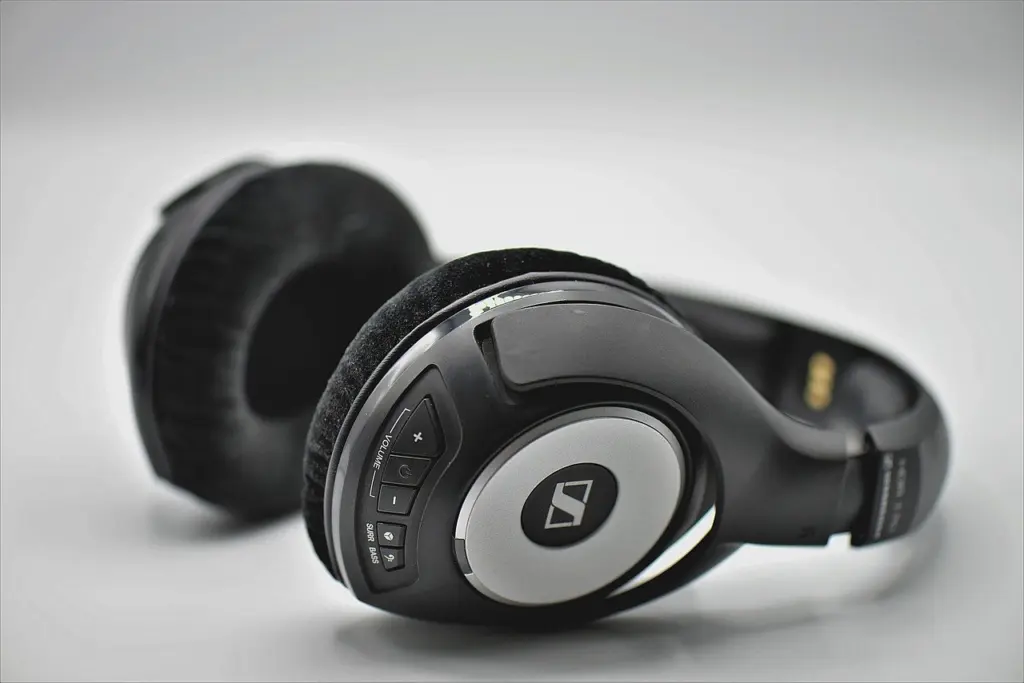
For running, calls on the move and commuting with a small bag, earbuds are the more practical choice. For long seated listening where size does not matter, headphones are worth considering.
Frequently asked questions
Does IPX7 make earbuds fully waterproof?
No. IPX7 means the earbuds can withstand immersion in water up to 1 m for approximately 30 minutes, but it does not guarantee protection against prolonged water exposure or high-pressure water jets.
How quickly can a charging case top up earbuds?
Some cases give about an hour’s use after just 5-10 minutes in the case. Check the model’s specification page for its own quick-charge figure.
Do codecs and Bluetooth version matter?
Yes, in different ways. Bluetooth version and range affect ease of use across devices. Advanced codecs like LDAC or aptX improve sound quality but increase power use, so they can shorten battery life.
Can I rely on the battery time printed on the box?
Use it as a starting point only. Manufacturer figures are usually measured at medium volume with ANC off, so expect less with noise cancelling on or at higher volume.